




Colour block wall sticker ideas offer a simple way to introduce structure, contrast and personality without covering an entire wall. Whether you want to frame a desk, ground a reading corner or give a plain bedroom wall a stronger focal point, one-colour self-adhesive vinyl shapes can create a crisp, painted-on look with less commitment than a full painted feature wall.
Quick answer: how to use colour block wall stickers
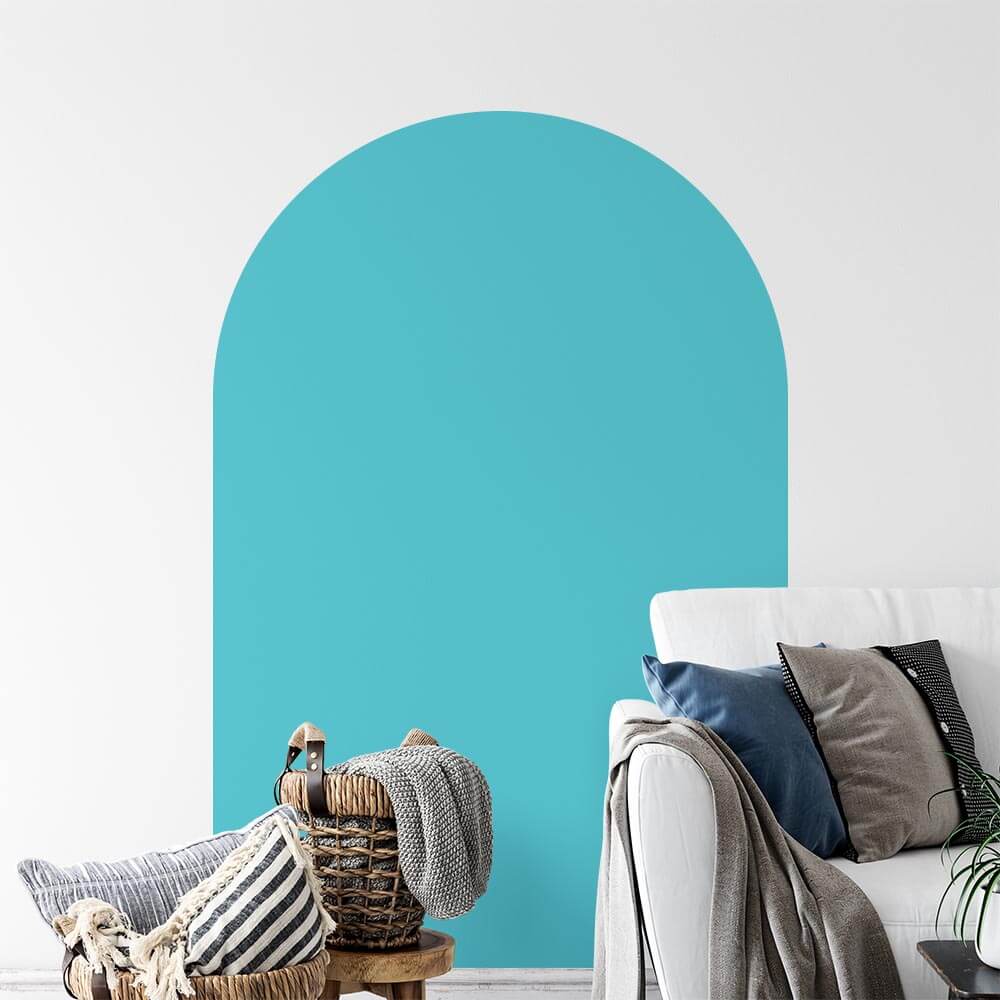
Choose a shape that supports the furniture below it, rather than selecting one in isolation. Arches soften a room, circles draw attention to a single object, and angular blocks add energy and definition. For the most balanced result, use one dominant wall sticker in a colour that contrasts clearly with the wall, then repeat that colour in one or two smaller accessories.
Apex colour block decals are cut from one-colour vinyl. Most have no clear, white or printed background, so the wall remains visible around the shape and the finished design looks clean and direct. Explore the colour block wall stickers collection to compare shapes and layouts.
Colour block wall sticker ideas for different rooms
Frame a home office desk
A large arch, circle or rounded block behind a desk can visually separate a work area from the rest of a bedroom or living room. This is particularly useful in a multipurpose space where the furniture otherwise appears to float against a blank wall.
Choose a block that is approximately as wide as the desk or slightly narrower. A wider design can overwhelm a compact workstation, while a very small shape may look disconnected. Dark navy, charcoal or black works well against a pale grey or white wall; on a darker surface, use a lighter vinyl colour where available to maintain contrast.
Create a calm bedside feature
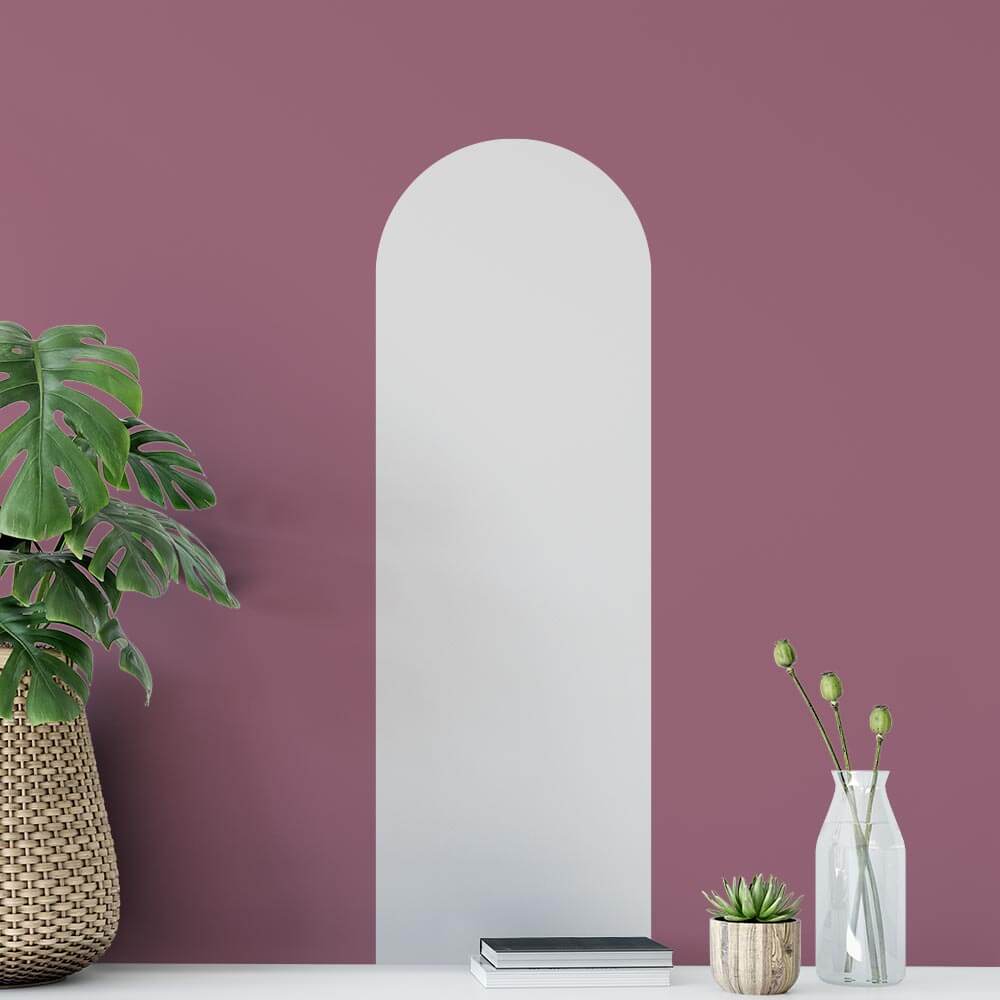
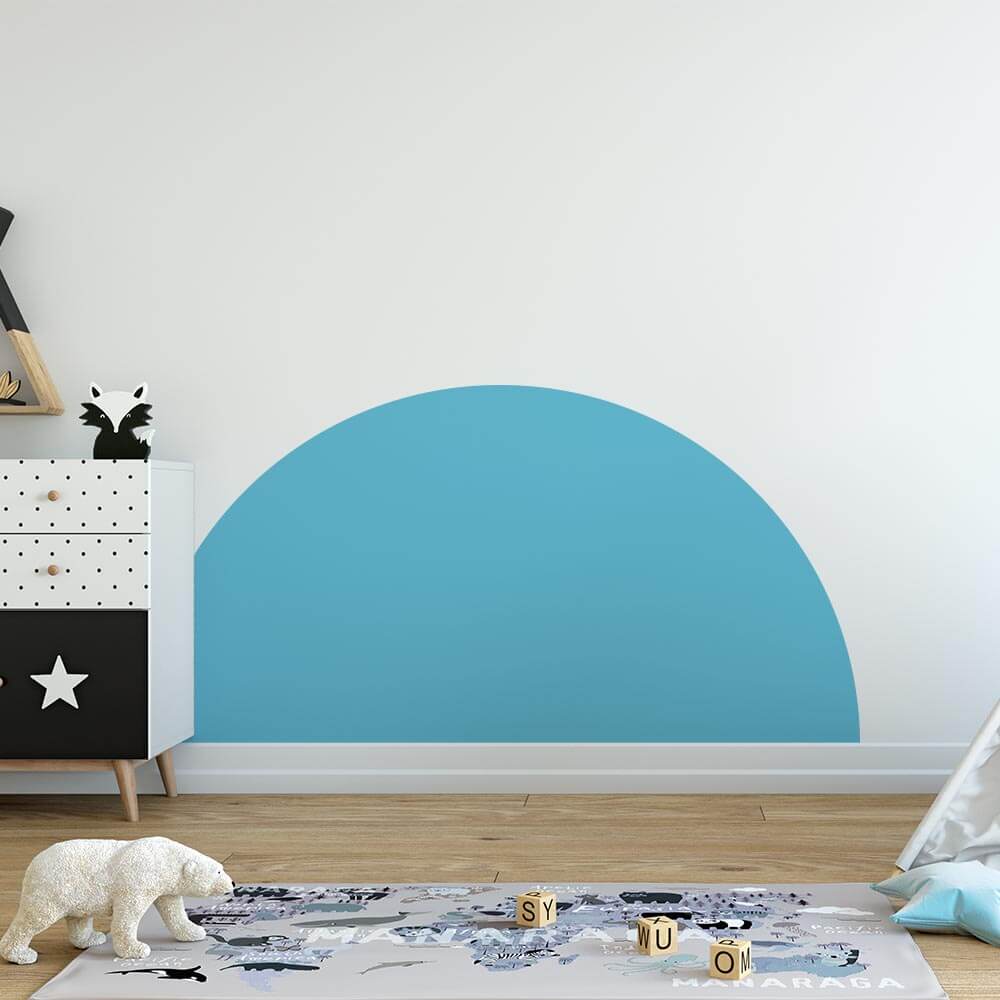
Place a soft arch or large semicircle behind a bedside table, lamp or low headboard. Rounded colour blocks introduce a focal point without the visual activity of a detailed pattern. For a restful scheme, combine a muted vinyl colour with warm grey bedding, pale timber and restrained accessories.
If you prefer softer Nordic styling, browse the Scandinavian wall stickers collection for complementary minimalist designs.
Ground a reading corner
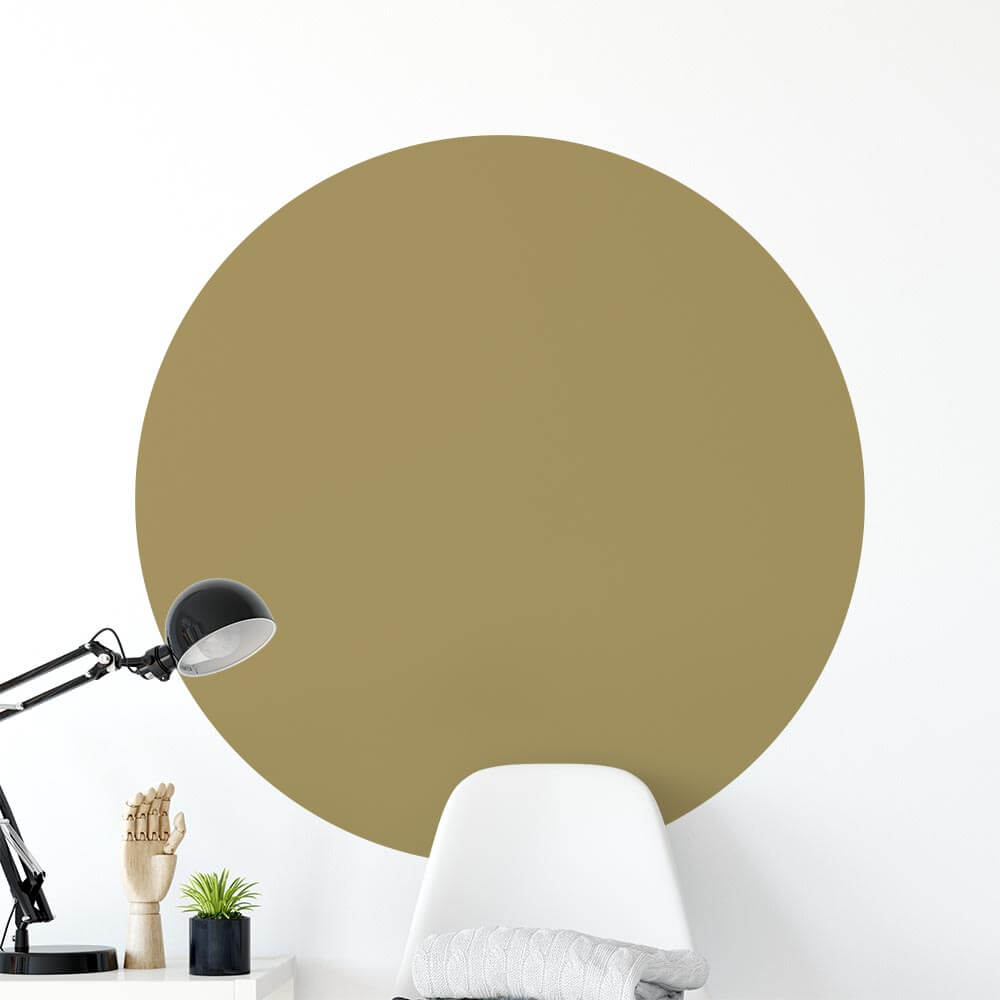
A circle or vertical arch behind an armchair helps turn an unused corner into an intentional reading area. Position the shape so that part of it appears to sit behind the chair rather than hovering well above it. Add a floor lamp and one cushion in a related shade to connect the wall feature with the furniture.
Highlight shelves without filling the wall
A simple block behind open shelves can give books and small objects a stronger backdrop. Keep the sticker larger than the shelf arrangement so that a visible border remains around it. Avoid placing multiple tiny blocks behind every shelf; one substantial shape usually feels calmer and more cohesive.
Add energy to a playroom
Playrooms can support bolder combinations. Try one large angular block beside a small group of dots or geometric accents, while keeping the overall palette controlled. Two or three colours across the whole room are often enough. Because Apex wall stickers are made from one-colour cut vinyl, separate colours will normally be separate elements rather than a printed multicolour panel.
Build an abstract geometric feature
For a more architectural effect, overlap the visual outlines of several shapes while leaving breathing room between the actual vinyl pieces. Angular designs suit contemporary rooms, studios and teenage bedrooms. The geometric and polygonal wall stickers collection is a useful place to compare sharper forms with softer colour blocks.
What you need before you start
- A suitable wall: wall stickers work best on smooth, clean, dry surfaces.
- A cured painted finish: freshly painted walls should cure fully before stickers are applied. Follow the paint manufacturer’s curing guidance rather than assuming dry-to-touch paint is ready.
- Basic cleaning materials: use a clean, lint-free cloth and a wall-safe method that does not leave oily or soapy residue.
- Low-tack masking tape: useful for temporarily marking the proposed outer edges. Test it discreetly first.
- A pencil: make only light, removable reference marks where appropriate.
- A level: helpful for blocks with straight horizontal or vertical edges.
- A smoothing tool: use a suitable applicator or a clean card wrapped in a soft cloth, taking care not to scratch the vinyl.
Inspect the surface before starting. Flaking paint, dust, damp, prominent texture and poorly bonded finishes can all affect adhesion and the eventual removal result. If you are uncertain, test a small piece in an inconspicuous area and allow time to assess it.
How to choose the right shape and layout
The best colour block wall sticker ideas begin with the room’s purpose and existing furniture. Use this quick decision matrix:
- Arch: best for softening straight furniture, framing desks and creating calm bedroom features.
- Circle: best for drawing attention to one chair, shelf, mirror or decorative object.
- Semicircle: best for low furniture such as sideboards, beds and toy storage.
- Rectangle or irregular block: best for zoning workspaces and producing a stronger contemporary look.
- Polygon: best for energetic, modern or teen-focused interiors.
Scale is as important as shape. Use paper templates or low-tack tape to preview the outside dimensions. View the wall from the room entrance and from your usual seated position. A design that looks large when held close to the wall may appear surprisingly modest from across the room.
Step-by-step instructions
Plan and apply your colour block wall sticker
- Check the surface — confirm that the wall is smooth, clean, dry and sound, and that fresh paint has cured.
- Measure the furniture — note the width and height of the desk, bed, shelf or chair that the colour block will frame.
- Preview the outline — use small pieces of tested low-tack tape to mark the decal’s outer dimensions.
- Check the view — step back and assess the layout from the doorway and normal viewing positions.
- Mark the position — use a level and light reference marks to establish the correct alignment.
- Apply gradually — follow the product instructions, working steadily rather than exposing and pressing down the whole design at once.
- Smooth carefully — press from the centre towards the edges with controlled, overlapping strokes.
- Inspect the result — check all edges and smooth any remaining raised areas without stretching the vinyl.
1. Start with the furniture, not the empty wall
Place the principal furniture first. A colour block should relate to the desk, bed or storage below it, so planning against an empty wall can lead to awkward proportions later. Centre the decal deliberately, or offset it enough that the asymmetry appears intentional.
2. Test colour in the room’s real light
Wall colour, natural light and artificial bulbs can change how vinyl appears. A dark decal will look dramatic on a bright wall but quieter against mid-tone paint. Check the proposed pairing in morning and evening light if possible. For a calm room, use moderate contrast; for a graphic contemporary feature, choose a more pronounced difference.
3. Leave breathing room
Do not push every edge against a ceiling, corner or door frame. A visible margin helps the block read as an intentional design rather than an incorrectly sized panel. It also makes the wall feel less crowded.
4. Prepare the wall properly
Remove dust and residue, then let the surface dry completely. Avoid applying vinyl over damp areas or unstable paint. Some stain-resistant, washable, textured or low-surface-energy paint finishes may be harder for self-adhesive vinyl, so a discreet test is sensible.
5. Apply with patience
Check the supplied product directions because the application method can vary by design. Keep the vinyl controlled, avoid touching the adhesive more than necessary, and smooth progressively. Do not pull or stretch the shape to force it into position; this can distort clean curves and straight edges.
Colour combinations that feel considered
Dark navy and soft grey
This pairing gives a crisp feature with less severity than pure black. Repeat navy in a cushion, lamp base or storage box, but avoid matching every accessory.
Charcoal and white
Charcoal creates clear structure in home offices, hallways and monochrome bedrooms. Warm wood and tactile fabrics can prevent the room from feeling overly stark.
Muted colour and pale timber
A subdued green, blue or earthy accent can work well with Scandinavian furniture. Keep nearby patterns minimal so the shape remains the main visual statement.
Tonal wall and vinyl shades
For a subtle result, select vinyl only a few tones darker than the wall. This is elegant but depends on enough contrast for the outline to remain legible. If the wall receives little light, a tonal combination can disappear more than expected.
Common mistakes to avoid
- Choosing a shape that is too small: undersized decals can look like isolated patches rather than purposeful zones.
- Positioning the block too high: keep it visually connected to the furniture instead of leaving a large, unexplained gap.
- Using too many competing shapes: one dominant block is generally calmer than several equally strong elements.
- Ignoring doors and sightlines: check whether the design remains balanced when a door is open or when viewed from an adjoining room.
- Applying to an unsuitable surface: pronounced texture, dust, damp or weak paint can compromise the result.
- Applying over fresh paint: paint needs to cure, not merely feel dry.
- Skipping the measured preview: tape or paper templates can reveal scale problems before adhesive vinyl touches the wall.
- Expecting every colour to look identical on screen: displays, room lighting and surrounding colours influence perception.
When to choose a different product or approach
A colour block sticker is not the right answer for every wall. Choose paint if you want a shape customised exactly around several corners, sockets or architectural details, or if you need a precise colour match. Paint may also be more practical for heavily textured walls where vinyl cannot make consistent contact.
Consider wallpaper when you want a repeated pattern across a complete wall. A colour block decal is designed to create a focused graphic area rather than the continuous coverage of wallpaper.
Use framed artwork when the surface is unsuitable for adhesive vinyl or when you want an object that can be moved frequently between rooms. If the wall has loose, chalky or peeling paint, address the underlying finish before choosing any adhesive decoration.
For renters or anyone concerned about later changes, obtain permission where required and test the surface first. Removal results depend on wall condition, paint quality and how carefully the sticker is removed.
Frequently Asked Questions
How large should a colour block wall sticker be?
Base the size on the furniture it frames. Behind a desk or sideboard, a shape around the same width or slightly narrower often feels connected and balanced. Mark the proposed dimensions before ordering and assess them from across the room.
Can colour block stickers be applied to freshly painted walls?
No sticker should be applied until fresh paint has fully cured. Drying and curing are different, so follow the paint manufacturer’s guidance. Applying too early can affect adhesion and the paint finish.
Will a colour block wall sticker work on a textured wall?
These stickers work best on smooth, clean, dry surfaces. Light texture may produce uneven contact or a less crisp appearance, while pronounced texture is generally unsuitable. Test a discreet area if there is any doubt.
Can I combine colour blocks with other wall decals?
Yes, but use a clear hierarchy. Make the colour block the main feature and add only a few smaller geometric or Scandinavian-style details. Too many similar-sized elements can make the wall feel busy.
How do I remove a vinyl wall sticker?
Follow the product guidance and work slowly rather than pulling sharply. Gentle, controlled removal is preferable. Removal results depend on wall condition, paint quality and how carefully the sticker is removed.
Find a colour block for your room
A successful feature does not need to fill the entire wall. Start with the furniture, choose one strong shape, preview its scale and make sure the surface is suitable before applying. If you are planning a calm bedroom, defined workspace or modern reading corner, browse the colour block wall stickers collection for self-adhesive one-colour designs that work best on smooth, clean, dry walls.