
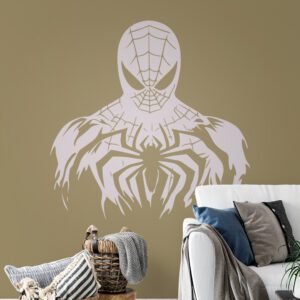
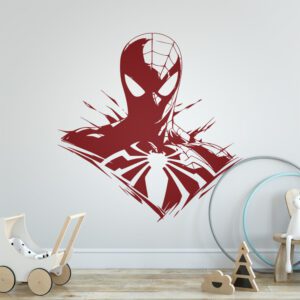
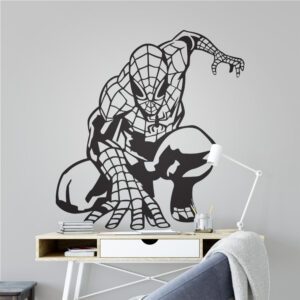
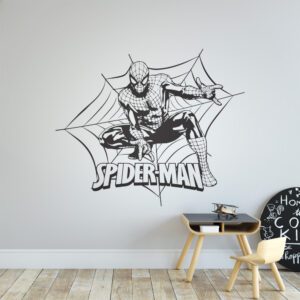
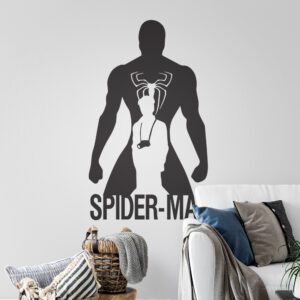

Dinosaur bedroom wall sticker ideas can range from one dramatic T. rex above the bed to a playful group of dinosaurs arranged around a child’s reading corner. The right choice depends on the room size, the child’s age, the furniture layout and whether you want the sticker to be the main feature or a smaller finishing touch. Because Apex designs are cut from one-colour self-adhesive vinyl, most have no clear, white or printed background, helping them create a clean, painted-on look once applied.

Quick answer: which dinosaur wall sticker idea works best?
For a simple room update, choose one large dinosaur silhouette and position it above a low bed, chest of drawers or toy unit. A T. rex creates a bold focal point, while herbivores, smaller dinosaur groups and footprint designs usually feel calmer and more playful.
If the room already contains patterned bedding, colourful toys or dinosaur artwork, a single dark navy, black or charcoal sticker will help the scheme feel coordinated rather than busy. For a more personal feature, combine a dinosaur design with a child’s name, but leave enough space around both elements so the wall does not look crowded.
The most versatile starting point is the dinosaur wall stickers collection, where you can compare different species, poses and layouts before deciding which design suits the available wall.
What you need before you start
Before choosing a design, assess the wall and the room rather than buying by appearance alone. A sticker that looks balanced on a wide, empty product image may feel very different when placed between a wardrobe and a window.
- A suitable surface: Wall stickers work best on smooth, clean, dry surfaces. Heavy texture, flaking paint, damp areas and dusty finishes can affect how well the vinyl adheres.
- A cured painted wall: Freshly painted walls should cure before stickers are applied. Follow the paint manufacturer’s guidance rather than assuming that a wall which feels dry is fully cured.
- Accurate measurements: Measure the usable wall area, excluding headboards, shelves, light switches and furniture that may hide part of the design.
- A planned viewing position: Decide whether the sticker should be enjoyed from the doorway, from the bed or from a play area.
- A simple colour plan: Pick a vinyl colour that contrasts clearly with the wall while connecting with two or three existing room details.
- Application guidance: Read the quick and easy wall sticker application guide before starting, particularly if the design contains narrow tails, claws, spikes or separate pieces.
It is also worth thinking about how long the room theme needs to last. A large cartoon-like arrangement may appeal to a younger child, while a strong fossil, footprint or dinosaur silhouette can work as the room becomes more grown-up.
Step-by-step: plan a dinosaur bedroom feature wall
Dinosaur wall sticker planning checklist
- Choose the focal wall — look for a smooth, uncluttered area visible from the doorway or bed.
- Measure the usable space — allow clear breathing room around furniture, shelves, sockets and wall edges.
- Select the mood — use a large predator for drama, a dinosaur group for playfulness or footprints for a subtle theme.
- Check colour contrast — dark navy, black and charcoal stand out well on many pale walls, while white can suit a deep-coloured feature wall.
- Mock up the size — use low-tack paper markers to outline the proposed width and height without copying every detail.
- Prepare the surface — make sure the wall is smooth, clean, dry and fully cured before application.
- Apply carefully — follow the supplied method and take extra care around narrow dinosaur details.
Quick placement matrix
| Room area | Suitable idea | Main trade-off |
|---|---|---|
| Above a bed | One wide dinosaur silhouette | Needs enough clear wall around the design |
| Reading corner | Small dinosaur group | May be less visible from the doorway |
| Long blank wall | Footprints or several spaced figures | Spacing must feel deliberate |
| Small room | Compact dinosaur or fossil motif | Less dramatic than an oversized feature |
| Shared bedroom | Dinosaur plus separate name stickers | Requires careful balance between both sides |
1. Decide how bold the dinosaur theme should be
Start by choosing between a feature-led room and a lightly themed room. A feature-led scheme might use a large T. rex silhouette, plain bedding and a small number of matching accessories. A lighter scheme could use a compact dinosaur near a bookcase, footprint decals along a low wall or one design above a toy box.
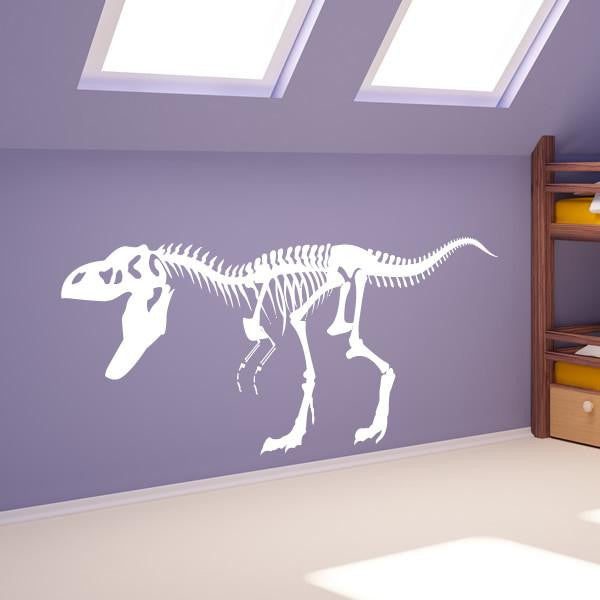
Children who enjoy dramatic dinosaur scenes may prefer the strong shape and recognisable profile found in the T. rex wall stickers collection. However, a large predator is visually energetic. If the bedroom also needs to feel calm at bedtime, balance it with soft neutral wall colours, simple furniture and restrained accessories.
2. Match the design to the child’s age and interests
Younger children often respond well to friendly groups, rounded shapes and dinosaurs placed closer to their eye level. Older children may prefer a more graphic silhouette, fossil-inspired motif or a design that resembles a museum display without using printed labels.
Ask the child which dinosaurs they actually like. Adults often default to T. rex, but the favourite may be a triceratops, stegosaurus or long-necked dinosaur. Involving the child in the theme while keeping control of size and colour can result in a room that feels personal without becoming visually chaotic.
3. Choose a scale that suits the furniture
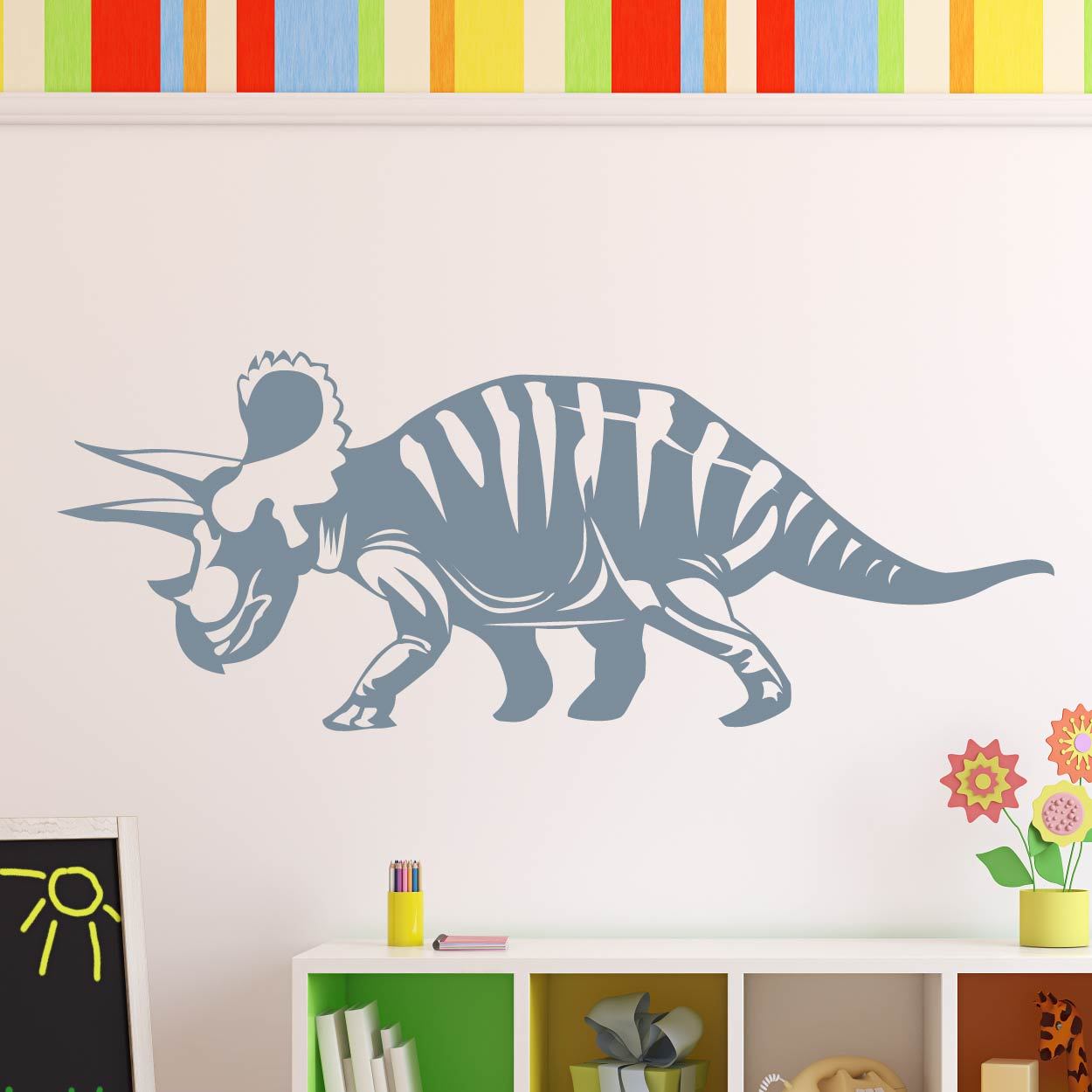
Scale is more important than filling every centimetre of available wall. Above a bed or low storage unit, the sticker can be noticeably narrower than the furniture and still feel connected to it. Avoid squeezing a design into the exact gap between two tall items because tails, horns and other fine details need visual space.
For a small bedroom, one medium design usually creates more impact than many tiny dinosaurs scattered across every wall. A large room can support a wider scene, but keep the figures grouped so they read as one feature rather than unrelated decorations.
4. Build a practical colour scheme
One-colour vinyl makes it easier to control a dinosaur bedroom palette. Dark navy is a softer alternative to black and works well with white, warm grey, muted blue and restrained green accents. Charcoal can suit woodland-inspired rooms, while black provides strong contrast and a more graphic look.
Use the sticker colour in small repeats around the room, such as a cushion, storage basket or lamp base. Two or three repetitions are generally enough. Avoid trying to match every accessory exactly; a range of related tones often looks more natural.
5. Pick a placement idea
Above the bed: A wide dinosaur silhouette can replace framed artwork and create an immediate focal point. Keep the full design comfortably within the open wall area rather than allowing it to appear trapped beneath a shelf.
Beside a reading corner: A smaller dinosaur group can help define a cosy area with a chair, floor cushion or book ledge. Position the design where it remains visible when books and toys are in use.
Near toy storage: A compact dinosaur can make a practical storage area feel more intentional. Check that open lids, tall toys and stacked boxes will not cover important parts of the design.
Across a long wall: Dinosaur footprints or separate silhouettes can create movement. Plan their spacing carefully before applying any piece, and keep the overall arrangement within one visual zone.
On a contrasting feature wall: A pale vinyl colour can stand out against navy, grey or muted green paint, provided the surface is suitable. Remember that thin details may have less visual impact when viewed from across the room.
6. Add personal details without overcrowding
A dinosaur paired with a name can create a distinctive bedroom feature. Browse personalised name wall stickers if you want to combine the theme with the child’s name.
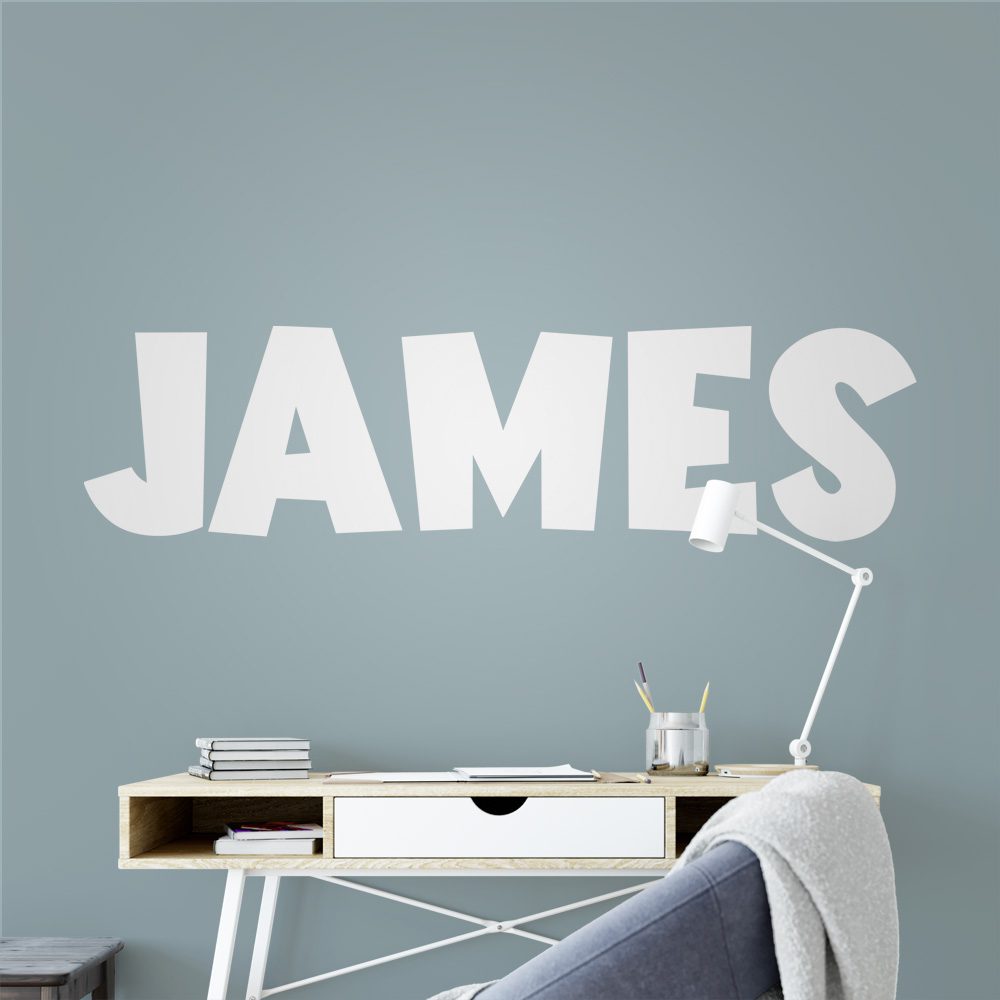
Treat the dinosaur and name as a coordinated pair. The name can sit beneath, beside or above the dinosaur, but it should not overlap fine details. If both designs are visually strong, leave a clear gap between them. In a shared room, separate names can help define each child’s side while a central dinosaur theme connects the overall space.
7. Prepare and apply the sticker
Once the layout is decided, remove dust from the wall and make sure the surface is completely dry. Do not apply vinyl over loose paint or visible surface damage. Check the position before removing any backing, especially when working around a sloping ceiling or furniture that cannot be moved.
Follow the application instructions and work patiently around narrow details such as claws, teeth, horns and tails. The finished design should sit directly against the wall with no printed rectangle around it, creating the characteristic cut-vinyl effect.
Common mistakes to avoid
- Choosing the sticker before measuring: A favourite design may be too wide for the only suitable wall area.
- Placing it too high: Dinosaur stickers are often most engaging when connected visually to the furniture or play zone below them.
- Using too many themes: Dinosaurs, space, vehicles and jungle animals can compete when they all have equal prominence. Choose one main theme and let other interests appear in smaller, replaceable accessories.
- Ignoring wall texture: Strong texture can prevent the vinyl from making consistent contact with the surface.
- Applying to fresh paint: Paint needs time to cure according to its manufacturer’s instructions.
- Overfilling the wall: Empty space helps spikes, tails and dinosaur profiles remain recognisable.
- Assuming every wall will respond identically: Surface condition and paint quality affect application and removal. Removal results depend on wall condition, paint quality and how carefully the sticker is removed.
- Rushing fine details: Intricate sections need slower, careful pressure during application.
When to choose a different product or approach
A self-adhesive dinosaur wall sticker may not be the best choice if the wall is heavily textured, damp, dusty, flaking or finished with paint that has not cured. In these situations, resolve the surface issue first or use movable dinosaur accessories elsewhere in the room.
Choose framed artwork if you expect to move the decoration frequently or want a highly detailed, multicoloured illustration. Choose patterned bedding or curtains if the room has very little open wall space. For a broad children’s theme rather than a dedicated dinosaur room, explore the kids’ wall stickers collection for stars, animals and other designs that may work better with existing decor.
A different approach can also be sensible in a bedroom that changes purpose regularly. A small themed corner may be more flexible than a wall-dominating design, particularly if siblings share the space or interests change quickly.
Choose a dinosaur style for the room
The best dinosaur bedroom wall sticker ideas are not necessarily the biggest. A successful choice has enough contrast to be noticed, enough clear wall around it to be understood and a style that works with the room’s furniture and colour palette. Compare dramatic predators, calmer herbivores, footprint layouts and personalised combinations in the dinosaur wall stickers collection.
Frequently Asked Questions
What colour dinosaur sticker works best on a pale wall?
Dark navy, black and charcoal usually provide strong contrast on white, soft grey and other pale walls. Choose a colour that also appears in a few smaller room details so the design feels connected to the wider scheme.
Where should a dinosaur wall sticker go in a child’s bedroom?
Popular positions include above a low bed, beside a reading corner and over a toy storage unit. The best location is a smooth, clean, dry wall with enough open space for the complete design.
Can I combine a dinosaur sticker with a child’s name?
Yes. Keep the name and dinosaur visually connected but avoid overlapping narrow details. Mock up both sizes first and leave a deliberate gap if each element is bold.
Are dinosaur wall stickers suitable for textured walls?
They work best on smooth surfaces. Texture reduces the contact area between the vinyl and wall, so heavily textured finishes may not be suitable.
How can I make a dinosaur bedroom feel less busy?
Use one main wall design, a restrained colour palette and mostly plain bedding or curtains. Repeat the sticker colour sparingly instead of adding dinosaur graphics to every surface.
If you are ready to plan a bold feature or a smaller prehistoric accent, browse dinosaur wall stickers and compare designs against your measured wall space before choosing.