


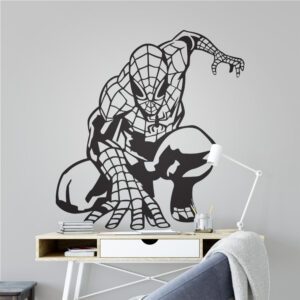
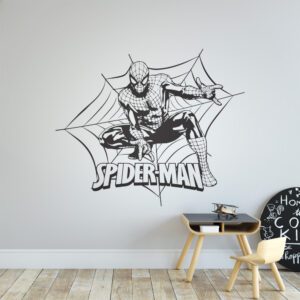


Learning how to make a blank wall look finished does not mean filling every centimetre with pictures, shelves or expensive furniture. A wall usually feels unfinished because it lacks a clear focal point, suitable scale or a visual connection to the rest of the room. The solution may be as simple as one well-sized wall sticker, a grouped arrangement or a restrained combination of decorative pieces.
The key is to treat the wall as part of the room rather than as an isolated empty space. Its decoration should relate to the furniture below it, suit the room’s purpose and leave enough breathing room to avoid looking cluttered. This guide will help you diagnose what is missing, compare practical options and create a result that feels intentional.
Quick Answer: How to Make a Blank Wall Look Finished
Start by choosing one focal area and decorating it at a scale that suits the available wall. For a quick, low-clutter update, apply a large self-adhesive wall sticker above a sofa, bed, desk or storage unit. One-colour cut-vinyl decals have no printed or white background, so the design appears to sit directly on the surface for a clean, painted-on look.
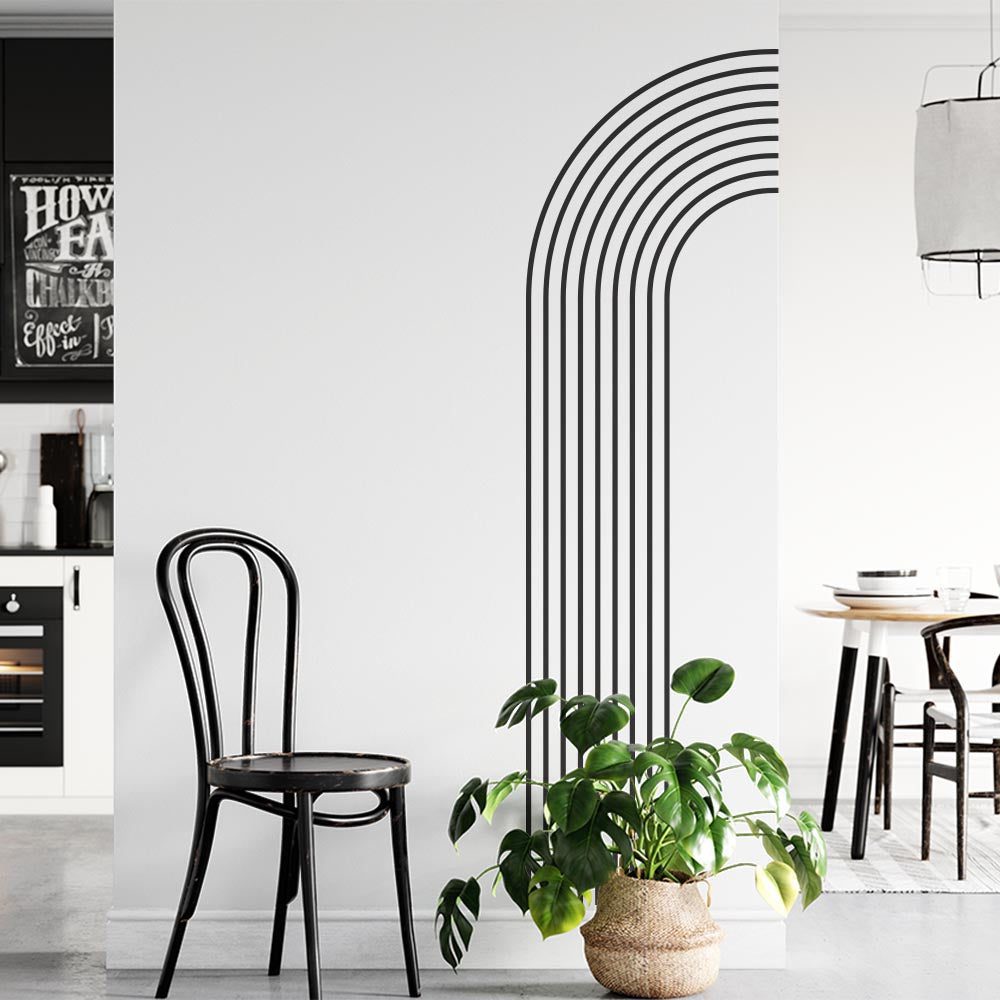
Choose a style that repeats something already present in the room, such as its colour, shapes or theme. Position the design in relation to nearby furniture rather than centring it automatically on the entire wall. Before applying anything, check that the surface is smooth, clean, dry and in sound condition.
What You Need Before You Start
You do not need to buy everything before planning the wall. Begin with a few simple items that let you test proportion and placement:
- A tape measure or ruler
- Low-tack masking tape for temporary position markers
- A pencil for very light reference marks, if appropriate for the surface
- Paper templates or removable paper shapes to test scale
- A spirit level if the design needs precise alignment
- A clean, lint-free cloth for surface preparation
- Your chosen wall sticker, artwork, mirror or other focal piece
Inspect the wall in daylight. Look for texture, dust, moisture, flaking paint or poorly bonded paint. Self-adhesive vinyl wall stickers work best on smooth, clean, dry surfaces. They may not adhere evenly to heavily textured walls, and weak paint can affect both application and later removal. Freshly painted walls should be allowed to cure fully according to the paint manufacturer’s guidance before a sticker is applied.
Choose the Right Solution for the Room
| Wall problem | Good starting approach | Main trade-off |
|---|---|---|
| Large wall above a sofa or bed | One large decal, oversized artwork or a balanced gallery group | Small pieces can look lost |
| Narrow wall or awkward recess | Vertical decal, slim mirror or compact arrangement | Wide designs may feel cramped |
| Child’s bedroom | Stars, animals, names or playful themed decals | The theme may need to change as interests develop |
| Gaming area | Bold gaming shapes around a desk or screen zone | Keep the wall from competing with lighting and equipment |
| Minimal living space | Simple Scandinavian or geometric design | Too many additions can weaken the calm effect |
| Damaged or highly textured wall | Repair and repaint, or choose a freestanding feature | Adhesive decoration may not be suitable |
Step-by-Step Instructions
Blank Wall Finishing Checklist
- Identify the wall’s role — decide whether it needs a focal point, a room theme or better balance.
- Measure the usable space — base the area on nearby furniture and clear edges, not the entire wall alone.
- Choose one main approach — use a wall sticker, artwork, mirror, shelf or grouped display.
- Test the scale — mark the outer dimensions with paper or low-tack tape and view them from across the room.
- Prepare the surface — make sure it is smooth, clean, dry and fully cured.
- Apply or position carefully — follow the product directions and work slowly to maintain alignment.
- Edit the surrounding area — remove competing clutter and add only the accents needed to connect the wall to the room.
1. Work Out Why the Wall Feels Empty
Stand at the main entrance to the room and from the position where you usually sit or sleep. Ask what your eye does when it reaches the wall. If there is nowhere for it to settle, you probably need a focal point. If the furniture looks disconnected from the wall, you need a feature that visually anchors it. If one side feels heavier than the other, the problem is balance rather than emptiness.
This distinction helps prevent unnecessary decorating. A blank wall above a sofa might need one broad design, while a narrow space beside a wardrobe may need only a slim vertical element. You do not have to decorate every wall; leaving some areas empty can make the chosen focal wall more effective.
2. Measure in Relation to the Furniture
Measure the width of the sofa, bed, desk or cabinet beneath the intended feature. As a useful starting point, aim for wall decoration that occupies roughly half to two-thirds of the furniture width. This is not a strict rule, but it helps avoid the common problem of choosing a design that appears too small.
For a completely open wall, define a usable visual zone first. Allow clear space around door frames, switches, radiators, ceiling slopes and corners. Use paper shapes or a tape outline to preview the overall dimensions. Look at the test arrangement from several positions and leave it in place for a day if you are uncertain.
3. Select a Style That Belongs in the Room
A finished wall should echo the room without copying every detail. In a calm living room, explore simple shapes, botanical silhouettes or Scandinavian wall stickers. Their restrained forms can add structure without making a minimal space feel busy.
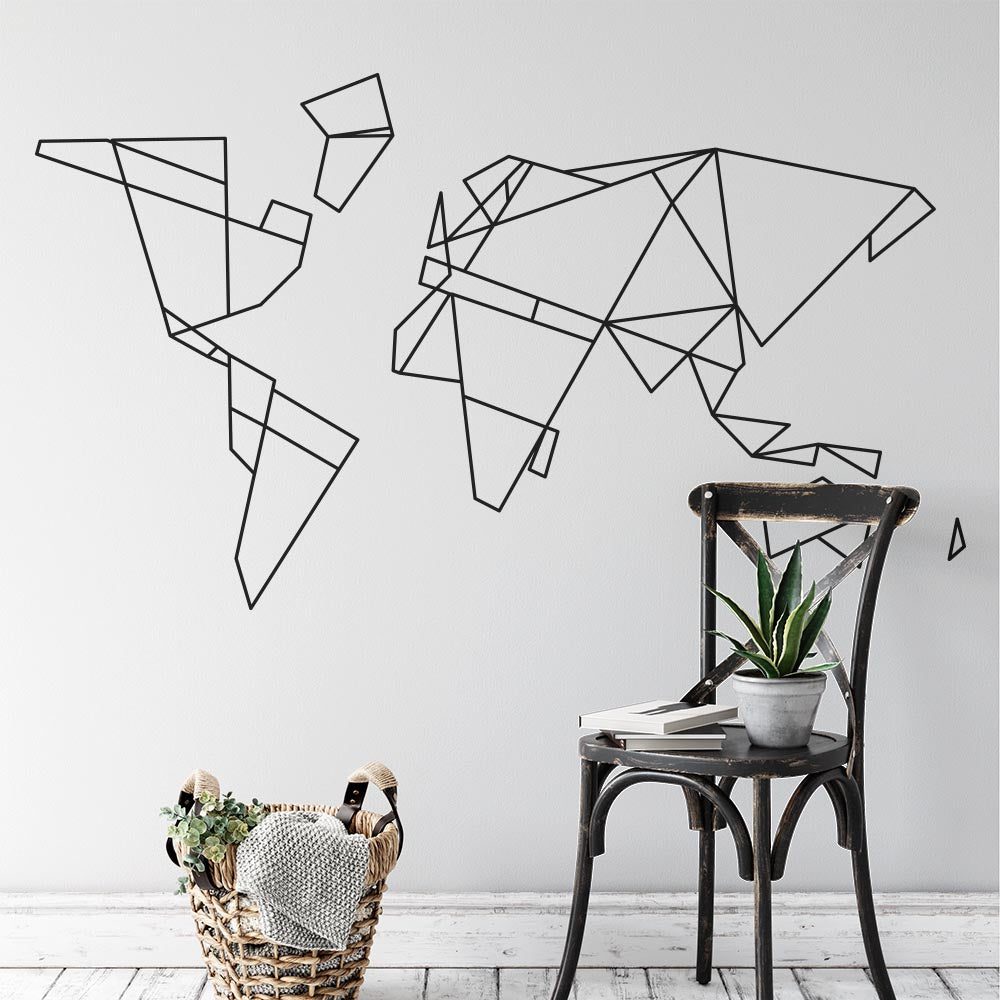
Words can provide a focal point in kitchens, bedrooms and home offices. Choose quote wall stickers when the typography and message suit the room, but avoid surrounding them with too many other words or signs. A single clear statement generally looks more considered than several competing phrases.
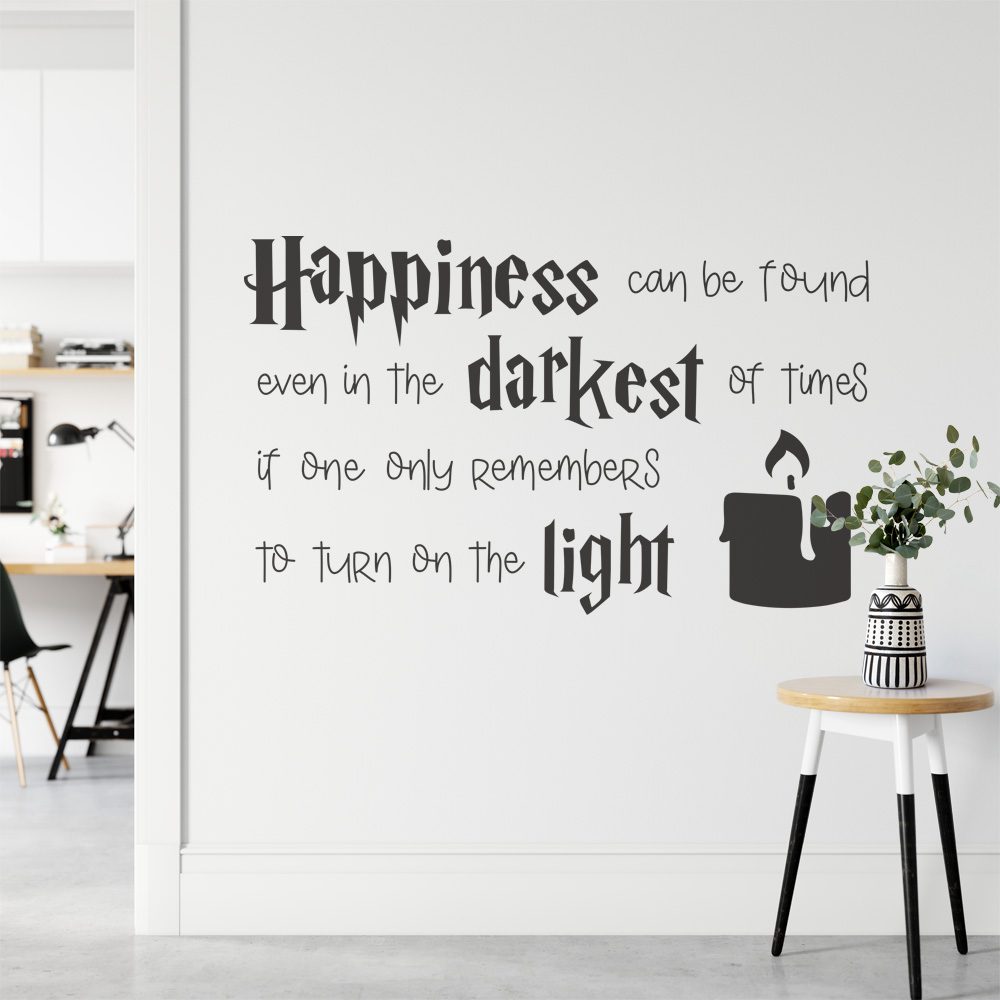
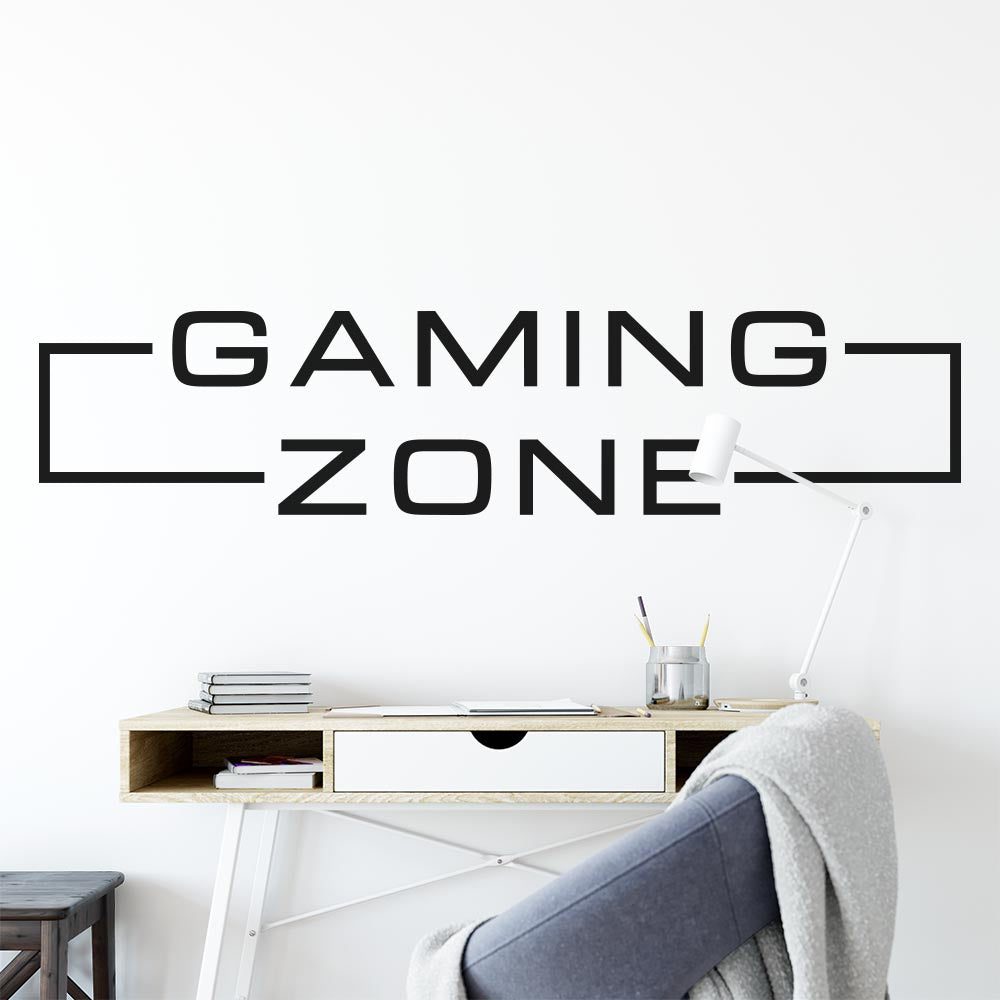
For family spaces, match the design to how the room is used. Kids’ wall stickers can establish a playful theme without requiring a full room makeover. In a desk or console area, gaming wall stickers can define the zone and connect the wall with the equipment below it.
4. Decide Between One Large Feature and a Group
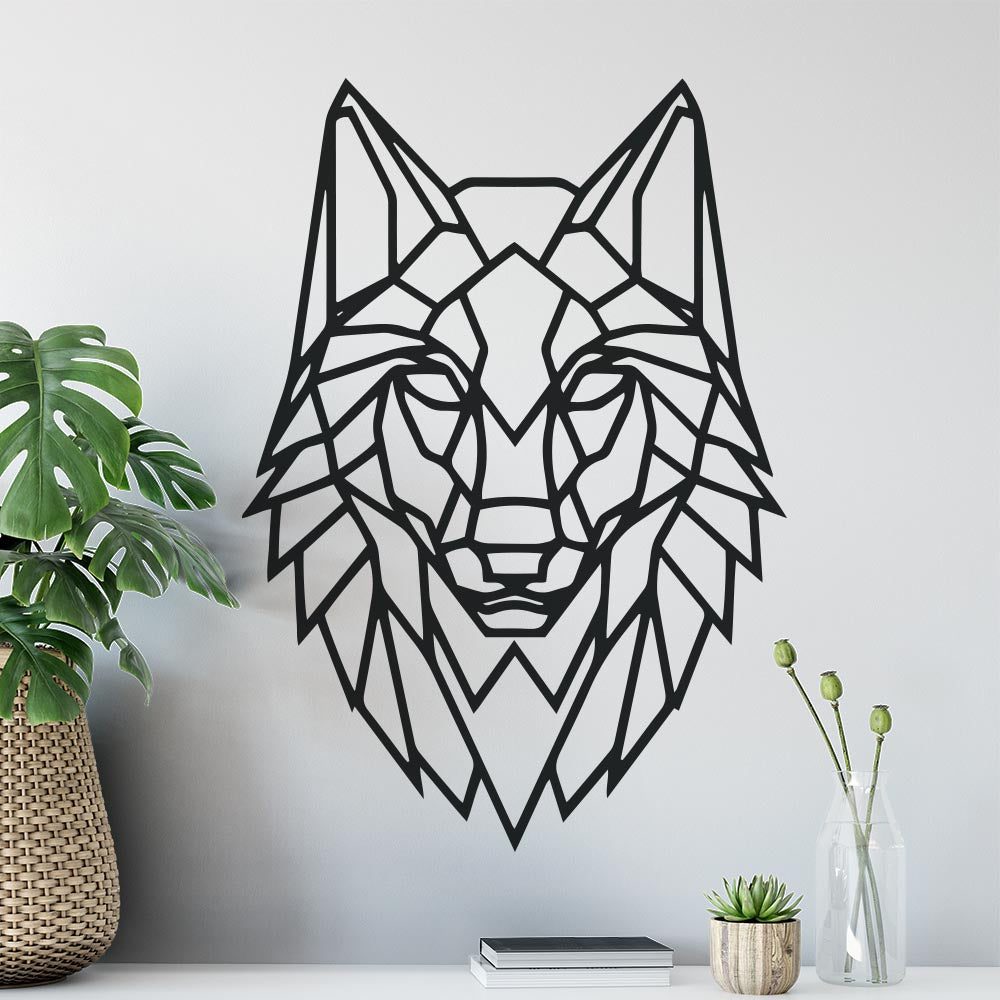
One large feature is often the simplest answer when a wall feels unfinished. It creates a strong focal point and involves fewer alignment decisions. A one-colour cut-vinyl decal is especially useful where you want visual impact without the bulk of frames or shelves. Because the design is cut from vinyl rather than printed onto a rectangular sheet, the visible wall becomes part of the finished appearance.
A grouped arrangement works better when you have meaningful artwork, photographs or small decorative objects to display. Keep spacing consistent and treat the group as one overall shape. Before fixing individual pieces, lay the arrangement out on the floor or recreate it with paper templates on the wall.
Mixing approaches can work, but use restraint. A wall sticker with a small shelf or plant may feel connected and layered; adding multiple frames, mirrors, signs and hanging objects around the same design can make the wall look less resolved.
5. Test the Height and Position
Do not assume that every feature must be centred on the wall. Centre it over the furniture or activity zone it belongs to. A design above a desk should relate to the desk, even when the desk sits to one side of a larger wall.
Avoid pushing the feature too close to the ceiling. Most wall displays look more grounded when they sit around normal eye level or form a comfortable relationship with the furniture beneath them. At the same time, leave enough space above a sofa, headboard or desk so that the arrangement does not feel cramped.
6. Prepare and Apply a Wall Sticker Carefully
Before applying a decal, remove dust with a clean, dry or lightly damp lint-free cloth as appropriate, then allow the wall to dry fully. Do not apply vinyl over damp patches, loose paint, residue or flaking areas. If the wall has recently been painted, wait until it has cured rather than relying on touch-dry time alone.
Read the directions supplied with the design. Larger decals may arrive in sections or use application tape to keep separate elements aligned. Plan the position, secure the design temporarily if directed, and apply it gradually with even pressure. The detailed process can vary by design, so use Apex’s wall sticker application guide alongside the product instructions.
7. Finish the Area Around the Feature
Once the main feature is in place, stop and reassess the room before adding anything else. A finished wall is not necessarily a full wall. You may only need to repeat its colour in a cushion, lamp, plant pot or small accessory so the design connects with the wider scheme.
Clear unrelated objects from nearby surfaces. Visible cables, overcrowded shelves and several small ornaments can undermine a carefully planned focal point. If the result still feels sparse, add one supporting element, such as a plant, lamp or small framed piece, rather than expanding in every direction.
Common Mistakes That Keep a Wall Looking Unfinished
Choosing Something Too Small
A small feature surrounded by a wide area of empty wall often appears accidental. Test the full dimensions before ordering and consider a larger size or a grouped layout if the wall is broad.
Decorating the Wall Without Considering the Furniture
A perfectly centred design can still look wrong if the sofa or desk beneath it is off-centre. Treat the furniture and wall feature as a combined arrangement.
Using Too Many Competing Ideas
A quote, mirror, gallery wall, shelf and patterned decal do not all need to occupy the same space. Choose a primary feature, then limit supporting elements to one or two quieter additions.
Skipping the Surface Check
Adhesive products are not a shortcut for unstable paint, dampness or severe texture. Surface condition and paint quality affect adhesion and later removal. Test cautiously if you are uncertain about compatibility.
Expecting the Wall Sticker to Look Like a Printed Poster
Apex wall stickers are cut from one-colour self-adhesive vinyl. Most do not have a clear, white or printed rectangular background. This creates a clean, painted-on appearance, but it also means the wall colour will show through all cut-out areas and influence the overall contrast.
Assuming Removal Results Are Identical on Every Wall
Removal results depend on wall condition, paint quality and how carefully the sticker is removed.
When to Choose a Different Product or Approach
A wall sticker is not the right solution for every blank wall. Choose framed artwork, a freestanding screen, a leaning mirror or another non-adhesive option when the wall is heavily textured, damp, dusty, flaking or coated with poorly bonded paint. The underlying issue should be repaired before decorating if there are signs of moisture or surface failure.
Shelving may be more useful when the main problem is storage rather than appearance, although the wall must be suitable for the required fixings and load. Curtains can soften a wall dominated by an awkward window, while tall furniture or a floor lamp may balance a narrow space without adding anything to the surface.
A gallery wall may suit a collection of personal photographs or artwork better than a decal. Conversely, choose a wall sticker when you want a crisp silhouette, minimal projection from the wall and a focal feature without multiple frames. Browse the full wall stickers collection to compare themes and identify a design that fits the wall’s proportions.
Choose Your Next Step
Measure the wall, identify the furniture or zone it should relate to, and decide whether the room needs a bold focal point or a subtle finishing detail. If a clean, one-colour design suits the surface and style, shortlist wall stickers by shape as well as theme. This makes it easier to find a horizontal, vertical or compact design that fits the available area.
Frequently Asked Questions
How can I make a blank wall look finished without making it cluttered?
Use one appropriately sized focal feature rather than several unrelated small items. Connect it to the furniture beneath it and repeat one colour or shape elsewhere in the room.
What size wall sticker should I choose for above a sofa?
As a starting point, consider a design around half to two-thirds of the sofa’s width. Mark the proposed dimensions with paper or low-tack tape and assess them from across the room before ordering.
Will a wall sticker work on a textured wall?
Wall stickers work best on smooth, clean, dry surfaces. Heavy texture reduces the contact area available to the adhesive and can affect the finished edges, so another decorative approach may be more reliable.
Can I apply a wall sticker to a newly painted wall?
Fresh paint needs time to cure fully before a sticker is applied. Follow the paint manufacturer’s curing guidance rather than assuming that a surface is ready when it feels dry.
Should a wall feature be centred on the wall or the furniture?
Usually, it should relate to the furniture or activity zone beneath it. Centring a feature over a sofa, bed or desk creates a more intentional grouping, even when that furniture is not centred on the full wall.
Give the Blank Wall a Clear Purpose
The most successful solution is usually the one that adds the right amount of visual weight without filling every gap. If you are planning a quick room update, browse wall stickers for your space and compare simple self-adhesive designs that work best on smooth, clean, dry walls.