
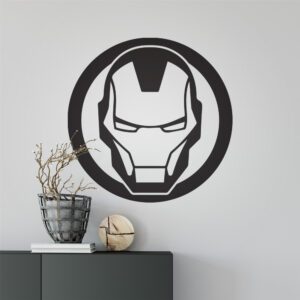
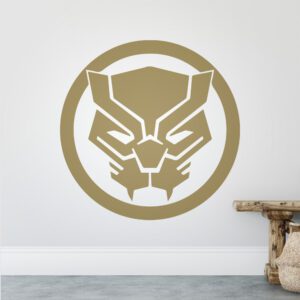
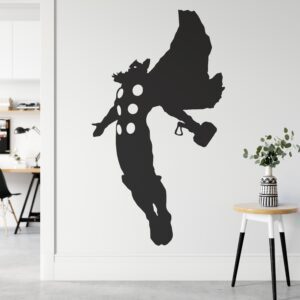

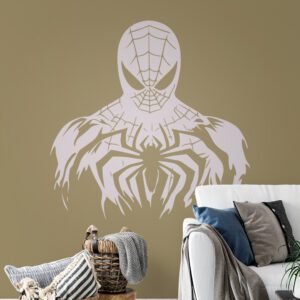

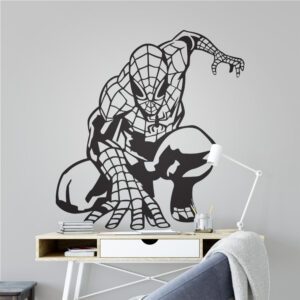
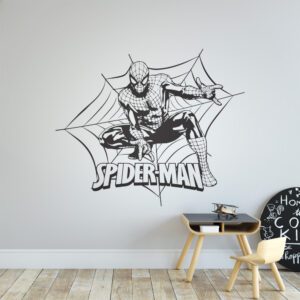


Choosing between wall stickers and wallpaper can shape not only how a room looks, but also how much time, money and effort your makeover requires. Both options can transform a plain wall, create a focal point and express your personality. However, they achieve those results in very different ways.
Wallpaper is designed to cover a large surface with a continuous pattern, colour or texture. Wall stickers, also known as wall decals, add individual designs such as quotes, names, animals, shapes or decorative motifs exactly where you want them. Your best choice will depend on the room, your budget, your DIY confidence and how permanent you want the finished design to be.
This guide compares wall stickers vs wallpaper across cost, installation, removal, durability and design flexibility. If you already have a particular style in mind, browse our full collection of wall stickers for ideas suitable for bedrooms, living areas, nurseries, offices and more.
Wall Stickers vs Wallpaper: The Quick Answer
Wall stickers are generally best for quick, affordable and flexible updates. They are ideal for creating a feature area, personalising a room or changing a theme without redecorating the entire space. Wallpaper is usually the better option when you want a continuous pattern or textured finish across a complete wall or room.
At-a-glance comparison
| Consideration | Wall stickers | Wallpaper |
|---|---|---|
| Installation | Usually quick and beginner-friendly | Requires careful measuring, cutting and alignment |
| Cost | Affordable for focal points and smaller updates | Can require several rolls, tools and professional labour |
| Coverage | Individual designs or arranged sets | Continuous, edge-to-edge coverage |
| Removal | Often easier on a suitable, sound painted surface | Traditional paper can be time-consuming to strip |
| Personalisation | Excellent for names, quotes and themed motifs | Usually based on a fixed repeated pattern |
| Best suited to | Quick makeovers, children’s rooms and feature areas | Long-term schemes and full-wall patterns |
You do not always have to choose one exclusively. A wallpapered feature wall can provide the background while complementary decals add a name, phrase or decorative detail elsewhere in the room.
What Are Wall Stickers?
Wall stickers are adhesive designs applied directly to compatible interior surfaces. Many are made from cut vinyl, so the visible design sits neatly on the wall without the appearance of a large rectangular background. Depending on the design, a decal can be a subtle finishing touch or the main feature of a room.
Unlike wallpaper, stickers do not normally cover every part of a wall. You decide where the design should sit, making it easier to draw attention to a bed, sofa, desk, reading corner or play area. This targeted approach is useful when the existing paintwork suits the room but the space needs more personality.
Popular types of wall decal
- Quote wall stickers: Typography and meaningful phrases for living rooms, bedrooms, kitchens and workspaces. Explore our quote wall stickers.
- Children’s designs: Animals, dinosaurs, space themes, fairies, vehicles and other playful subjects.
- Nursery decals: Gentle motifs that add character around a cot, changing area or reading chair.
- Decorative shapes: Stars, dots, hearts, flowers and other elements that can be arranged across a wall.
- Motivational designs: Encouraging words for home offices, gyms and creative spaces.
What Is Wallpaper?
Wallpaper is a decorative covering supplied in rolls and installed in vertical lengths. Traditional varieties use wallpaper paste, while paste-the-wall and self-adhesive products offer alternative application methods. Wallpaper is particularly effective when the goal is to change the appearance of an entire surface rather than add a single feature.
Available finishes range from florals and geometric patterns to murals, imitation textures and traditional prints. Because the material covers the wall, preparation is important. Cracks, bumps and damaged paint may need attention before installation, and repeated patterns must be aligned from one drop to the next.
Wallpaper can produce a dramatic, cohesive result, but installing it neatly around corners, windows, radiators and sockets requires patience. Removing traditional wallpaper later may also involve scoring, steaming or soaking the material before the wall can be prepared again.
Which Option Costs Less?
Wall stickers normally have a lower starting cost because you purchase only the design needed for a particular area. One well-positioned decal can give a blank wall a clear purpose without requiring decorating tools, paste or multiple rolls of material. This makes stickers especially useful for budget-conscious makeovers.
Wallpaper costs vary according to the size of the room, roll width, pattern repeat and quality of the paper. A large pattern repeat can create more offcuts because each length must line up correctly. You may also need paste, trimming tools, brushes and a pasting table, or the services of a professional decorator.
Costs to consider before deciding
- Surface preparation: Both options perform best on a clean, sound and smooth surface, although wallpapering a damaged wall may involve more extensive preparation.
- Material quantities: Stickers decorate selected areas; wallpaper must cover the measured surface with an allowance for waste.
- Installation tools: Decals generally need fewer tools, while wallpaper may require cutting, pasting and smoothing equipment.
- Future changes: Consider the cost and effort involved when you eventually want a different design.
For maximum decorative impact on a modest budget, a wall sticker is often the more economical choice. Wallpaper may justify the higher cost when edge-to-edge coverage is central to the room design.
Installation: Are Wall Stickers Easier Than Wallpaper?
For most DIY decorators, wall stickers are easier and faster to install. There is no paste to mix and no sequence of full-height drops to cut. The key steps are to check the surface, measure the desired position, prepare the wall and apply the decal slowly according to its instructions.
Preparation should not be skipped. Dust, grease and moisture can affect adhesion, while heavily textured or flaky walls may prevent a clean finish. Newly painted surfaces must be allowed to cure fully according to the paint manufacturer’s guidance before a sticker is added.
Wallpaper installation has a steeper learning curve. Each length needs to be measured and cut accurately, and patterned paper must line up at the seams. Corners, sloping ceilings and architectural details add further complexity. Wallpaper can still be a satisfying DIY project, but mistakes are harder and potentially more expensive to correct.
Before installing a decal, follow our practical guide explaining how to apply a wall sticker for a smoother, more confident result.
Removal and Rental Homes
Wall stickers are often a more practical decorating option for tenants because they can personalise a space without covering a whole room or making structural alterations. A quote above a desk, a name in a child’s bedroom or a set of motifs around a play corner can make a rented property feel more like home.
However, no adhesive decoration should automatically be assumed to be risk-free on every wall. Removal depends on the paint quality, surface condition, decal, installation method and length of use. Old, poorly bonded or flaky paint may lift when any adhesive product is removed. Always read the product guidance, consider testing an inconspicuous area and check your tenancy agreement or ask the landlord where necessary.
Traditional wallpaper is usually less suitable for rentals because it changes a much larger surface and often requires explicit permission. Although peel-and-stick wallpaper is marketed as a temporary alternative, its large adhesive area can still make application and removal more involved than using individual decals.
Durability and Everyday Care
Professionally installed wallpaper can remain in place for many years, making it a strong choice for a long-term decorating scheme. Its lifespan depends on the quality of the paper, the adhesive, surface preparation and conditions in the room.
A quality wall sticker can also remain attractive for a long time when correctly applied to a suitable indoor surface. Decals work particularly well in low-moisture areas where they will not be repeatedly touched, rubbed or exposed to steam. If cleaning is necessary, follow the relevant care guidance and avoid harsh scrubbing or chemical products.
Factors that can affect both finishes
- Wall texture: Smooth surfaces generally provide the best contact and cleanest appearance.
- Moisture and temperature: Persistent humidity, condensation and heat can affect decorative wall finishes.
- Direct sunlight: Strong, prolonged sunlight may cause colours or surrounding paintwork to change over time.
- Surface damage: Loose paint, dust and grease can reduce adhesion.
- High-traffic locations: Designs near doorways, switches and narrow corridors may receive more contact.
Durability should also be considered in relation to how long you actually want the design. A child’s favourite theme may change much sooner than a carefully chosen living-room scheme, making a flexible decal more useful than a finish intended to last for a decade.
Design Flexibility and Personalisation
Wallpaper creates atmosphere through repetition and scale. A botanical print can make a room feel lush, stripes can emphasise height, and a textured paper can give a formal space more depth. It works as a background that influences the overall appearance of the room.
Wall stickers provide a more focused type of creativity. They can communicate a message, identify a personal area or introduce an image without overwhelming the existing decor. Their flexibility makes it easier to keep the paint and furniture neutral while using decorative elements to establish the theme.
A typography design can frame a sofa or dining area, while smaller shapes can be spaced across a bedroom wall. In a home office, a motivational phrase can visually define the workspace. You can also choose a decal colour that complements existing soft furnishings rather than being limited to a full multicoloured print.
For rooms where words are the main feature, the quote wall sticker collection offers designs for welcoming, relaxing and motivational interiors.
Which Is Better for Children’s Bedrooms and Nurseries?
Wall stickers have a clear advantage in children’s rooms because interests and decorating needs change quickly. A nursery may begin with gentle stars or animals, then evolve into a dinosaur, space or fairy-themed bedroom. Updating selected decals is usually less disruptive than stripping paper and decorating the entire room again.
One practical approach is to choose durable furniture and a neutral wall colour, then make the theme changeable through decals, bedding and accessories. This allows the room to mature without making each update a major project.
Why decals work well in children’s spaces
- Fast transformation: Create an engaging bedroom or play corner without a full renovation.
- Flexible themes: Update the room as a child’s interests develop.
- Focused decoration: Add detail around a bed, bookshelf or reading area.
- Easy coordination: Match motifs to existing paint, curtains, bedding and furniture.
Discover designs for different ages and interests in our kids wall stickers collection.
Choosing by Room
Living rooms
Choose wallpaper if you want a large patterned backdrop or a traditional feature wall. Choose a wall sticker when the room already has a good base colour but needs a finishing touch above a sofa, sideboard or fireplace. A carefully sized decal can add interest without competing with artwork and furniture.
Bedrooms
Wallpaper can establish a luxurious or cocooning mood behind the bed. A decal is better suited to a targeted quote, decorative flourish or personalised feature. Stickers also make it easier to refresh a guest bedroom or update a teenager’s room as tastes change.
Home offices and gyms
These rooms often need visual energy rather than full redecoration. A motivational decal can define the purpose of the space while keeping the rest of the wall simple. It is a useful solution when a home office occupies only part of a bedroom or living area.
Kitchens and bathrooms
Heat, grease, steam and condensation require careful consideration. Check that the chosen product and installation location are appropriate, and avoid applying decals to damp walls or placing them where they will be exposed to frequent splashes or intense heat. Wallpaper for these rooms should also be specifically suitable for the conditions.
Can You Use Wall Stickers and Wallpaper Together?
Yes, but a balanced design is important. Wallpaper can supply the main pattern while decals add a personalised element on an adjacent painted wall, door or other compatible surface. Keeping the colours coordinated will help the room feel intentional rather than crowded.
Applying a sticker directly over wallpaper is more complicated. Wallpaper may be textured, delicate or poorly bonded, and removing the decal could damage its surface. Compatibility will vary, so review the decal guidance and test first rather than assuming every wallpaper is suitable.
How to Make the Right Choice
Before buying either option, ask what you want the wall to achieve. If the aim is total coverage, a repeated pattern or a textured background, wallpaper is likely to be more appropriate. If you want a quick focal point, meaningful phrase, children’s theme or lower-commitment update, a wall sticker will usually be the better fit.
- Choose wall stickers for fast installation, selected feature areas, personalisation and designs that may need to change.
- Choose wallpaper for continuous patterns, full-room schemes and a more permanent traditional finish.
- Combine them carefully when you want wallpaper as a backdrop and decals as complementary details elsewhere.
Whichever option you choose, inspect and prepare the wall before installation. A beautiful design cannot compensate for dust, damp, loose paint or an unsuitable surface.
Frequently Asked Questions
Are wall stickers cheaper than wallpaper?
Wall stickers are usually cheaper for decorating a focal point or a small area because you do not need enough material to cover the whole wall. Wallpaper may provide better value when complete coverage is the goal, but remember to include tools, pattern waste and any professional installation costs.
Do wall stickers damage paint?
Results depend on the wall, paint and removal method. Sound, smooth and fully cured paint provides a better base than flaky, damp or poorly bonded paint. Follow the instructions and test an inconspicuous area if you have concerns, particularly in a rented property.
Can wall stickers be applied to textured walls?
Smooth surfaces normally produce the strongest adhesion and neatest finish. Heavy texture reduces the area of contact and may show through the design. Check the specific product guidance before applying a decal to any uneven surface.
How long should paint dry before applying a wall sticker?
Paint can feel dry before it has fully cured. Waiting times vary by product and conditions, so follow the paint manufacturer’s curing guidance as well as the sticker instructions. Applying a decal too soon may affect adhesion or damage the finish later.
Is wallpaper or a wall sticker better for a feature wall?
Wallpaper is ideal when you want the entire feature wall covered with pattern or texture. A wall sticker is better when you want the existing wall colour to remain visible around a quote, image or decorative arrangement.
Refresh Your Walls Without a Full Redecoration
Wallpaper can be an excellent long-term choice for complete coverage, but wall stickers offer greater speed, flexibility and personalisation. They are especially practical for children’s rooms, rental-friendly decorating, home offices and any area that needs character without the cost and disruption of repapering.
Ready to create your own feature wall? Explore the full Apex Stickers wall sticker collection and find a design that transforms your space with less mess and commitment.