


If you are asking what can I put on a wall instead of wallpaper, the best answer depends on whether you want a quick style update, a renter-friendly feature wall, something easy to change later, or a full decorative finish. Wallpaper is popular, but it is not always the simplest choice: it can be time-consuming, messy, expensive to change, and less forgiving if your wall surface is uneven or your taste changes. The good news is that there are plenty of alternatives, from self-adhesive wall stickers to paint effects, framed prints, shelving, fabric hangings and panelling.
Quick answer: what can I put on a wall instead of wallpaper?
The easiest alternatives to wallpaper are self-adhesive wall stickers, painted feature walls, framed prints, gallery walls, wall panelling, fabric wall hangings, shelves, mirrors and removable decorative decals. If you want a fast, low-mess option that creates a clean designed look without covering the entire wall, wall stickers are one of the most practical choices.
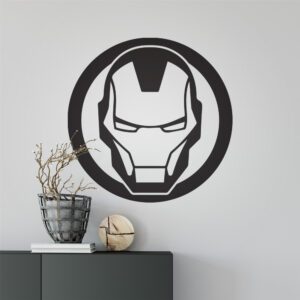
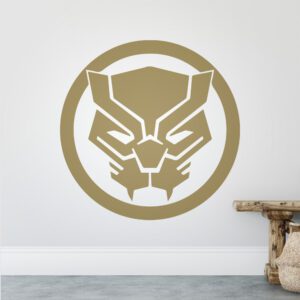
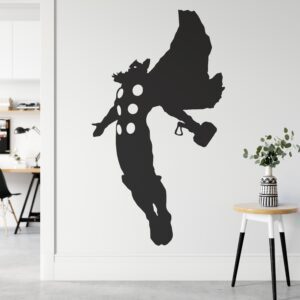
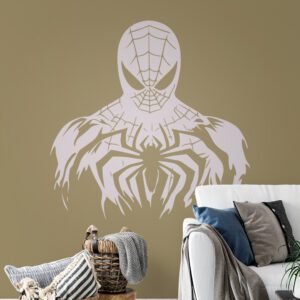
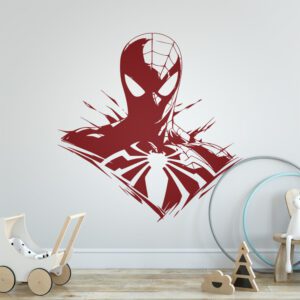
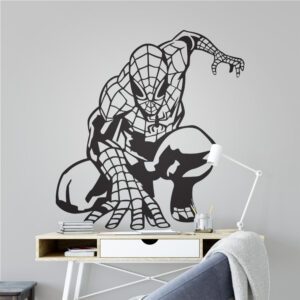
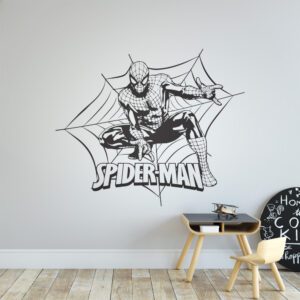
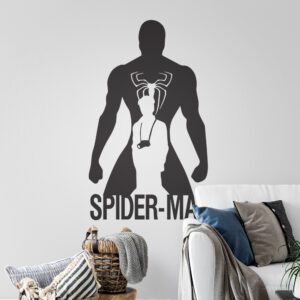
Wall stickers are especially useful when you want a focal point rather than full-wall coverage. Apex wall stickers are cut from one-colour self-adhesive vinyl, so most designs have no clear, white or printed background. Once applied to a smooth wall, they create a crisp, painted-on look without the commitment of wallpaper.
Best wallpaper alternatives at a glance
Use this quick comparison to choose the right approach for your space, budget and confidence level.
| Alternative | Best for | Trade-off |
|---|---|---|
| Wall stickers | Fast feature walls, quotes, kids rooms, geometric designs, renters who want a simple update | Need a smooth, clean, dry surface and suitable paint condition |
| Painted feature wall | Bold colour, simple room zoning, long-term decoration | Requires preparation, drying time and repainting if you change your mind |
| Gallery wall | Personal photos, prints, flexible layouts | Can look cluttered without planning; may require hooks or fixings |
| Panelling | Classic or premium-looking rooms | More permanent, usually more DIY work and cost |
| Fabric hanging | Soft texture, boho style, rented spaces | Can collect dust and may not suit humid rooms |
| Shelves and mirrors | Practical decor, small rooms, hallways | Usually need wall fixings and careful positioning |
What you need before you start
Before choosing what to put on a wall instead of wallpaper, think about how much change you want and how permanent it should feel. A small bedroom, rental flat, nursery or home office may only need one clear focal point. A large living room wall might need a combination of decor, such as a wall sticker above a sofa with prints or shelving nearby.
For most wall decor options, you should check:
- Surface texture: Smooth walls are easier for stickers, paint effects and framed layouts. Heavily textured walls are more difficult.
- Paint condition: Flaky, dusty or low-quality paint can affect how well adhesive products apply and how they remove later.
- Room use: A child’s bedroom needs a different solution from a hallway, office or living room.
- Moisture and heat: Bathrooms, kitchens and walls near radiators need extra care when choosing materials.
- How often you redecorate: If you change style regularly, avoid highly permanent choices such as heavy panelling unless you are sure.
If you are considering self-adhesive decals, they work best on smooth, clean, dry surfaces. Freshly painted walls should be left to cure before applying stickers. Surface condition and paint quality affect application and removal. Removal results depend on wall condition, paint quality and how carefully the sticker is removed.
Step-by-step instructions: choosing the right wallpaper alternative
The simplest way to decide is to start with the room outcome you want, then match the decor type to that goal. Do not begin with the product first; begin with the effect you want the wall to create.
Step-by-step decision checklist
- Choose the wall’s purpose — decide whether it should be a focal point, a calm background, a play area, a quote wall or a practical storage zone.
- Check the surface — make sure the wall is smooth, clean and dry, especially if you are considering self-adhesive wall stickers.
- Pick the level of commitment — choose paint or panelling for a longer-term change, or decals, prints and fabric for easier updates.
- Match the style to the room — use quotes for offices and bedrooms, playful designs for kids rooms, and geometric shapes for modern spaces.
- Plan the scale — a small design can look lost on a large blank wall, while an oversized piece can overwhelm a compact room.
- Test the layout visually — hold paper templates, mark light guide points or use low-tack notes before committing to the final position.
1. Decide whether you want a focal point or full-wall coverage
Wallpaper usually covers a large area. If that is the look you want, paint, panelling or a full gallery wall may be suitable alternatives. But if you only need one strong feature, a wall sticker can be much more efficient. A single large decal above a bed, sofa, desk or cot can make the wall feel designed without covering every inch.
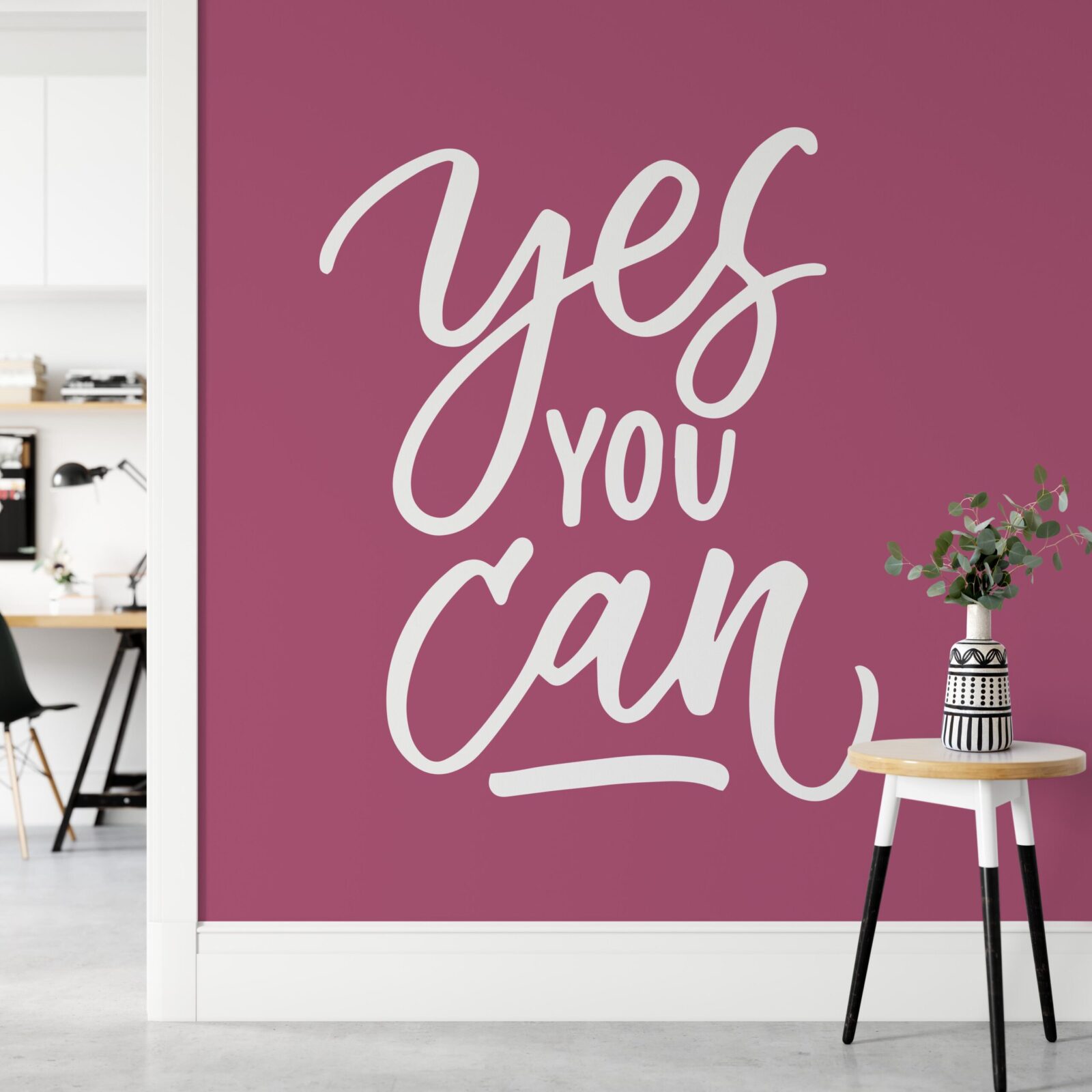
This is where one-colour vinyl decals work particularly well. Because the design is cut from vinyl rather than printed onto a visible background, it looks more integrated with the wall. For example, a black quote above a desk, a navy geometric design in a living room or a playful silhouette in a child’s bedroom can give the space personality without the busyness of patterned wallpaper.
2. Choose a style category
If you are not sure what style you want, use the room type as your guide:
- Living room: geometric shapes, botanical silhouettes, large statement decals, mirrors or framed prints.
- Bedroom: calming quotes, moon and star designs, soft line art or a painted feature wall behind the bed.
- Kids room: playful wall stickers, animals, names, stars, space themes or colourful framed art.
- Home office: motivational quotes, minimal geometric decals, shelving and simple gallery walls.
- Hallway: mirrors, narrow shelves, house-number style decals, family quotes or simple line designs.
For modern rooms, geometric and polygonal wall stickers are a good alternative to patterned wallpaper because they add structure without filling the wall with repeat pattern. For bedrooms, offices and hallways, quote wall stickers can create a clear focal point with very little visual clutter.
3. Think about scale before you buy
One of the biggest differences between wallpaper and other wall decor is scale. Wallpaper automatically fills the wall, while stickers, prints and mirrors need to be sized deliberately. A small decal on a wide blank wall can look accidental. A very large gallery wall in a compact room can feel too busy.
As a rough guide, a focal wall design above a bed, sofa or desk should usually take up a meaningful part of the wall width. It does not need to fill the whole wall, but it should be large enough to look intentional. If you are decorating a child’s room, a cluster of smaller decals can also work because the design can spread across the wall in a playful way.
4. Consider how easy it will be to change later
If your style changes often, wallpaper may feel like too much commitment. Paint can be changed, but it takes time and preparation. Panelling is more involved again. Wall stickers, prints and fabric hangings are usually easier to update when your room changes.
That said, adhesive decor still needs sensible expectations. Wall stickers are not magic; they depend on the wall underneath. They are best suited to smooth, clean, dry walls with sound paint. If the paint is already peeling, powdery or poorly bonded, any adhesive product may cause issues when removed.
Top alternatives to wallpaper and when they work best
Self-adhesive wall stickers
Wall stickers are one of the best answers to the question, what can I put on a wall instead of wallpaper, because they deliver a strong visual result without the paste, pattern matching or full-wall commitment. They are ideal for feature areas, names, quotes, kids themes, geometric designs and clean decorative silhouettes.
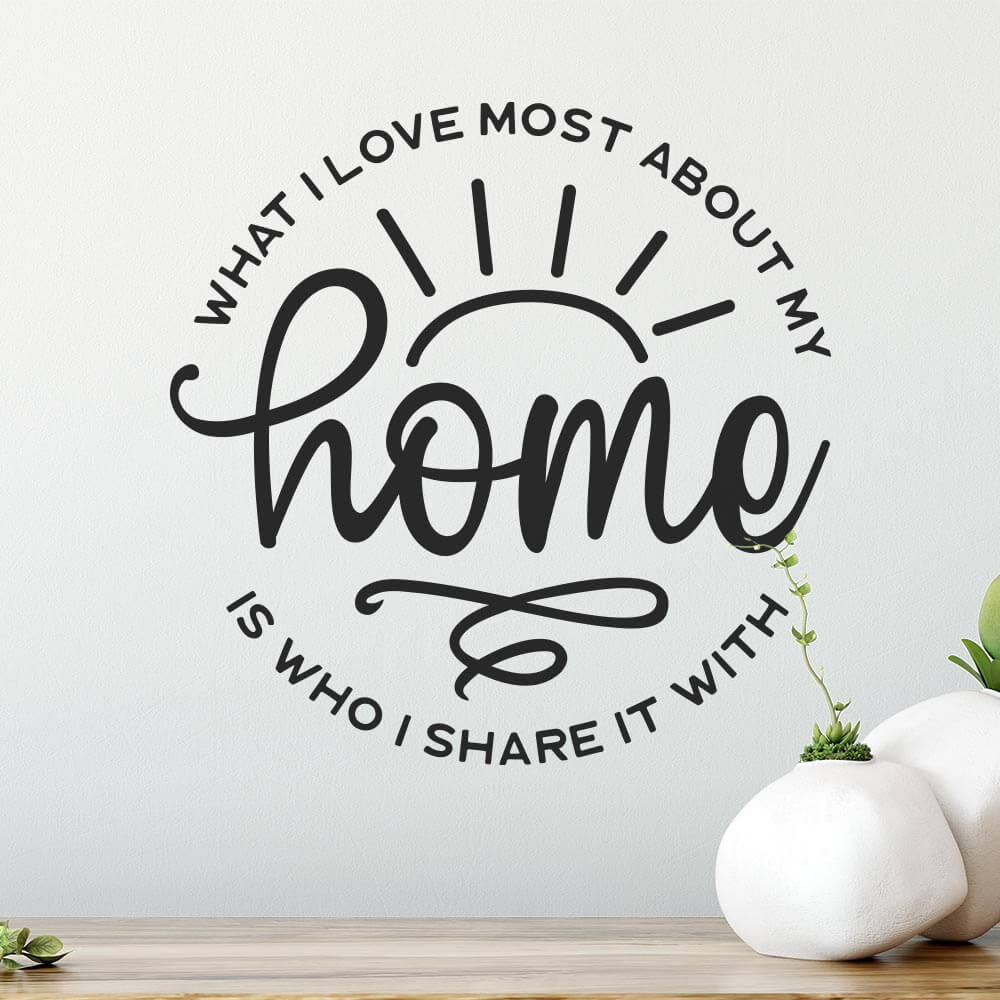
Apex wall stickers are made from one-colour vinyl. Most designs do not have a clear, white or printed background, so the wall colour shows through the cut-out areas. This creates a neat, painted-on effect once applied.
If you are new to decals, read our quick and easy wall sticker application guide before you start. Good preparation makes a noticeable difference.
Painted feature walls
A painted feature wall is a simple alternative if you mainly want colour. It is usually cheaper than wallpaper and can make a room feel finished quickly. The downside is that it does not add detail unless you create a paint effect, mural-style shape or colour-blocked design.
Paint is a good choice if you own the property, want a long-term colour change and do not mind repainting later. It is less ideal if you want a detailed design without much DIY work.
Gallery walls and framed prints
Gallery walls are flexible because you can change prints over time. They work well in hallways, staircases, living rooms and home offices. The trade-off is planning: frame sizes, spacing and alignment matter. A poorly planned gallery wall can look busier than wallpaper.
If you rent, check what fixings you are allowed to use. Lightweight frames may be easier than heavy mirrors or shelves, but every wall and tenancy is different.
Wall panelling
Panelling can make a room look more architectural. It suits bedrooms, dining rooms, hallways and living rooms where you want depth and a more permanent decorative finish. It can also be painted to match or contrast with the wall.
The drawback is effort. Panelling usually requires measuring, cutting, adhesive or fixings, filling and painting. It is better for confident DIYers or anyone happy to take on a more permanent project.
Fabric hangings and tapestries
Fabric can soften a room and add texture. It is useful if you want warmth, colour or a relaxed look without painting or papering. It can also help cover a large blank area quickly.
However, fabric may collect dust and can look less crisp than vinyl decals, framed art or panelling. It is a style choice rather than a direct replacement for the clean finish of wallpaper.
Shelves, mirrors and practical decor
Sometimes the best wallpaper alternative is not purely decorative. A mirror can make a hallway or bedroom feel larger. Shelves can turn a blank wall into storage and display space. Wall hooks can add function in entrances, bedrooms or utility areas.
The trade-off is that these options usually need fixings, and they work best when styled carefully. Too many objects can make the room feel cluttered.
Common mistakes to avoid
- Choosing something too small: A tiny sticker, print or mirror can look lost on a large wall. Measure first and think about the furniture below it.
- Ignoring wall texture: Adhesive decals work best on smooth surfaces. Heavy texture can stop the vinyl making proper contact.
- Applying stickers to fresh paint too soon: Freshly painted walls should cure before applying stickers. Rushing this can affect adhesion and removal.
- Mixing too many ideas: Wallpaper alternatives work best when the wall has one clear purpose. Avoid combining a decal, gallery wall, shelves, panelling and bright paint all in one small area.
- Forgetting the room’s lighting: Dark decals look bold on light walls. Pale decor may disappear in shadowy corners.
- Assuming every option is renter-safe: Always consider the wall surface, paint quality and any tenancy rules before using adhesive products, nails or fixings.
When to choose a different product or approach
Wall stickers are a strong wallpaper alternative, but they are not the right answer for every wall. Choose a different approach if:
- Your wall is very rough or textured: Paint, framed art or fabric may be more suitable than adhesive vinyl.
- The paint is peeling, powdery or poorly bonded: Improve the wall condition first, or choose non-adhesive decor.
- You want full repeat pattern from floor to ceiling: Wallpaper or a painted stencil effect may suit the brief better.
- You need a washable splashback-style surface: Look for materials designed for moisture and cleaning rather than decorative wall stickers.
- You want a highly textured finish: Panelling, limewash-style paint effects or fabric may give more depth.
For children’s spaces, wall stickers are often a practical middle ground because the room can evolve as the child grows. Browse kids wall stickers if you want playful designs that are easier to update than themed wallpaper.
Frequently Asked Questions
What is the easiest thing to put on a wall instead of wallpaper?
Self-adhesive wall stickers are one of the easiest options because they do not require paste, wallpaper tools or pattern matching. They work best on smooth, clean, dry walls and are ideal for creating a feature without covering the whole wall.
Are wall stickers better than wallpaper?
Wall stickers are better if you want a quick focal point, a quote, a kids theme or a design you may want to change later. Wallpaper is better if you want full-wall pattern or texture across a large surface.
Can I use wall stickers on painted walls?
Yes, wall stickers can be used on suitable painted walls, but the paint should be sound, clean, dry and fully cured. Freshly painted walls should cure before applying stickers. Surface condition and paint quality affect application and removal.
Will wall stickers damage paint when removed?
It depends on the wall. Removal results depend on wall condition, paint quality and how carefully the sticker is removed. Avoid applying stickers to flaky, damp, dusty or poorly painted surfaces.
What can I use instead of wallpaper in a rented home?
Good options include wall stickers, framed prints, lightweight fabric hangings, mirrors on approved fixings and freestanding shelves. Always check your tenancy rules and consider the wall condition before using adhesive products or fixings.
Final recommendation
If you want a clean, low-mess answer to what can I put on a wall instead of wallpaper, start with wall stickers. They are practical for feature walls, bedrooms, kids rooms, offices and modern living spaces, especially when you want a design rather than full-wall pattern. If you need colour across the whole wall, choose paint. If you want texture and permanence, consider panelling. If you want flexibility, use decals, prints or fabric.
For a simple room update, browse the Apex wall stickers collection for self-adhesive one-colour vinyl designs that work best on smooth, clean, dry walls.