
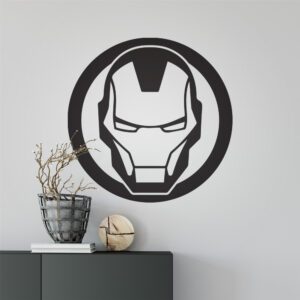

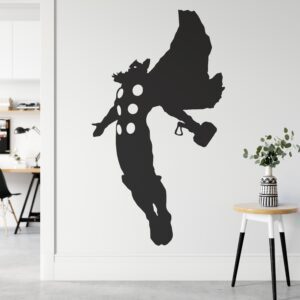

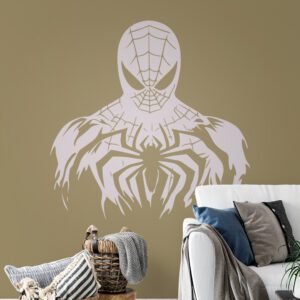
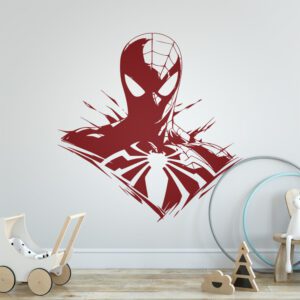
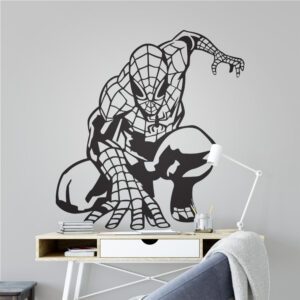
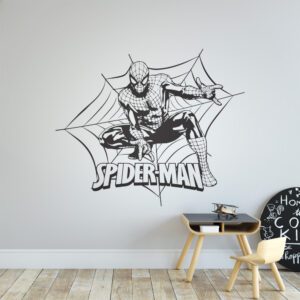


Looking for superhero bedroom wall sticker ideas that feel exciting without making the room difficult to live with? Start with the wall, the furniture and the kind of story your child enjoys. A single bold decal can create a focal point above a bed or desk, while smaller shapes can bring energy to a play corner. The best choice is one that fits the available space, works with the room’s colours and still feels right as tastes change.
Apex wall stickers are self-adhesive designs cut from one-colour vinyl. Most have no clear, white or printed background, so the shapes can look clean and painted-on once applied. That makes them useful for a superhero-inspired scheme: you can give the wall a strong graphic moment without covering it in busy artwork. Here are practical ways to choose a theme, plan a layout and apply a design thoughtfully.
Quick answer: choose one hero moment
For a balanced superhero bedroom, pick one main wall sticker, then repeat one or two colours through bedding, storage or accessories. A large design can anchor the wall behind a bed; a smaller decal can define a reading nook or desk area. Keep the shapes visible around furniture rather than squeezing them into a narrow gap. If you are unsure which direction to take, browse the superhero wall stickers collection and compare each design with a photo of the actual wall.
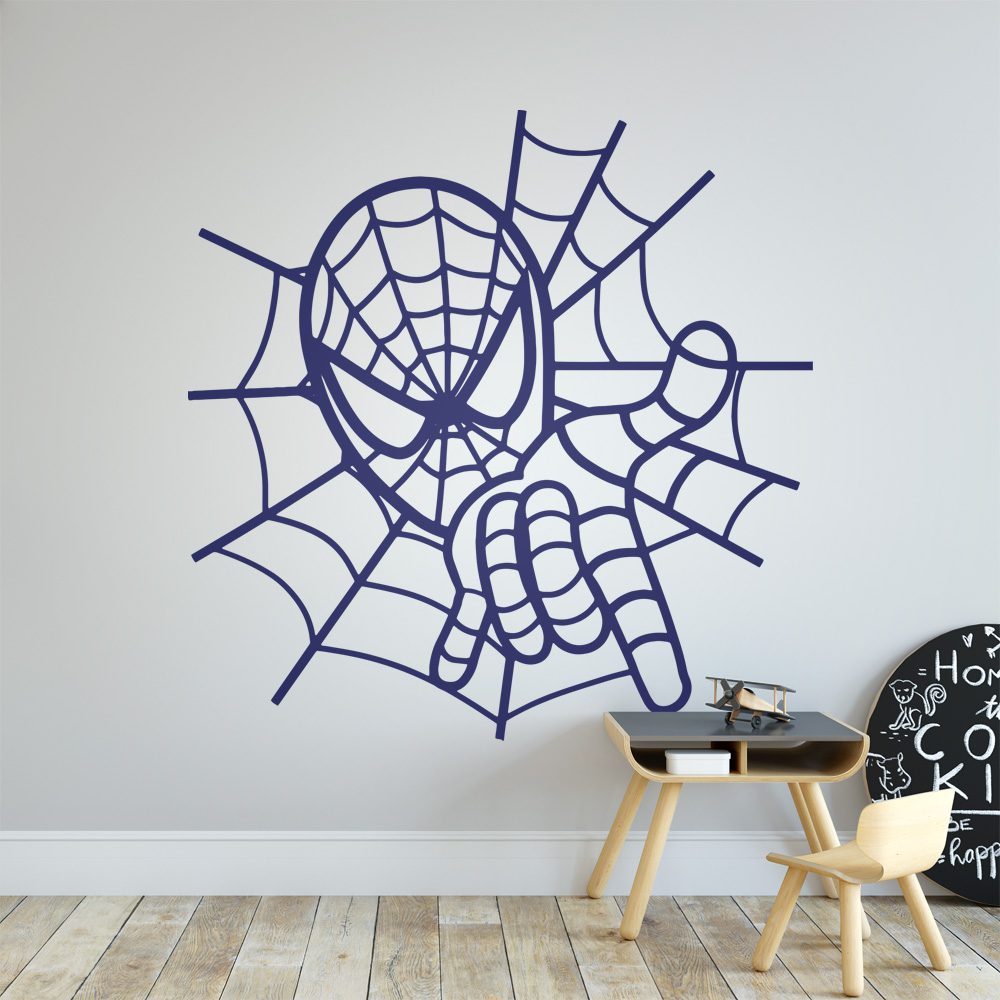
Think about the feeling you want. An action-focused room can handle dramatic silhouettes and high contrast; a calmer room might suit a smaller graphic on a soft neutral wall. If the child already has strong bedding or lots of displayed toys, let the sticker be the only large-scale wall feature. If the rest of the room is simple, you have more freedom to go bold.
What you need before you start
You do not need to settle every detail of the bedroom before choosing a sticker, but you do need a few reliable measurements and a clear idea of what will be visible. Check the wall width, the position of the bed or desk, and whether a door, shelf, light fitting or wardrobe will interrupt the design. Leave breathing space around the decal so it reads as an intentional feature rather than something squeezed between objects.
- A usable wall area: measure the open space above furniture and account for headboards, shelves and future furniture moves.
- A colour plan: decide whether the sticker should contrast sharply with the wall or sit more quietly alongside existing bedding and curtains.
- A surface check: wall stickers work best on smooth, clean, dry surfaces. Texture, dust, damp or unstable paint can affect how well they adhere.
- Enough time for new paint to cure: freshly painted walls should cure before applying stickers. Follow the paint maker’s guidance rather than applying a decal as soon as the wall feels dry.
- A plan for changing tastes: consider whether the child would enjoy a specific character-led theme for some time or whether a broader superhero look would offer more flexibility.
Before ordering, look at the product’s listed dimensions and orientation. A design that looks impressive in a close-up product image may occupy less of your wall than you expect; equally, a wide decal may compete with wall lights or shelving. You can mark the proposed outer edges lightly with removable paper markers while planning, but check that any temporary marking method is suitable for your paint and remove it before applying the sticker.
Step-by-step: build the bedroom around the sticker
These superhero bedroom wall sticker ideas work best when you treat the decal as part of the room rather than the last decoration added. Move through the decisions in order: first the focal wall, then the theme, scale, colour and finishing details.
1. Pick a wall with a clear view
The wall behind the bed is an obvious focal point, but it is not always the best one. A tall headboard, bunk bed or shelves may hide much of the design. Look from the doorway and from the child’s usual place in the room. A side wall beside a reading chair can work better if it gives the sticker clear space and makes the room feel welcoming as you enter.
In a small bedroom, an uncluttered section above a low chest or desk can give a sticker more impact than a crowded main wall. Avoid positioning important details where a wardrobe door will cover them. Think about the room as it is used, not just how it looks in a straight-on photograph.
2. Decide how literal the theme should be
Some children want a recognisable character; others enjoy the broader idea of a heroic city, movement and adventure. If a particular favourite drives the decision, compare the designs in the Spiderman wall stickers collection, the Batman wall stickers collection or the Avengers wall stickers collection. Check the individual design and size rather than assuming every sticker in a collection has the same shape or placement needs.
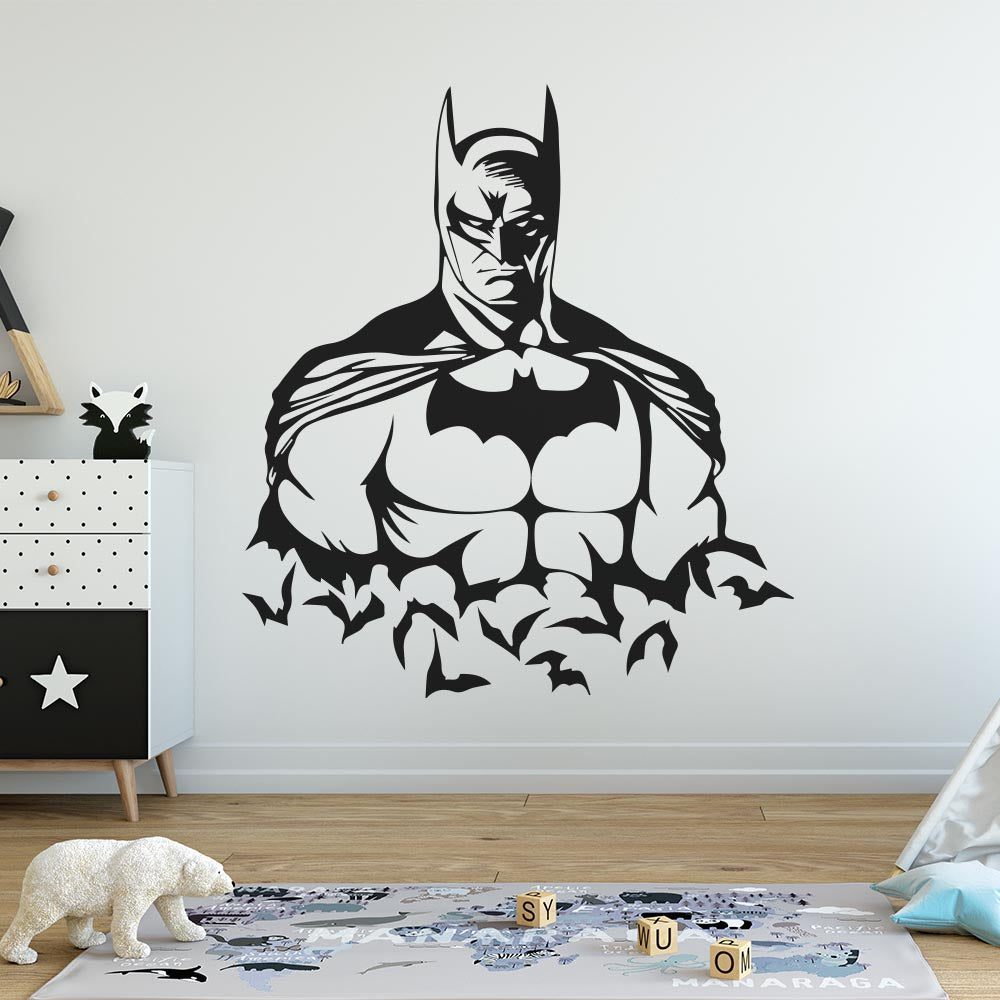
For a room that may need to grow with the child, let the sticker carry the clearest theme while keeping large, costly items more neutral. Plain curtains, simple storage and bedding in a coordinating colour are easier to work around when interests shift. You can also build a playful scheme from the wider kids wall stickers collection if a character-led design feels too specific.
3. Choose the right scale for the furniture
Match the sticker to the visible wall area, not just the total wall width. Above a bed, aim for a design that has space on both sides and does not appear to balance precariously on the headboard. A compact motif can look purposeful above a bedside table, while a wider graphic may help anchor a low bed or long desk. The goal is an easy-to-read shape from the doorway.
To test scale, compare the product dimensions with a rough paper outline held against the wall or map the boundaries with suitable removable markers. Step back to the doorway. Can you tell what the focal point is, or does the design disappear beside the furniture? Then sit on the bed: will it feel comfortably placed rather than looming over the sleeping area?
4. Limit the palette
A superhero room does not need every primary colour at once. If the wall sticker is a dark silhouette, soft neutral walls give it contrast, while navy, white and one accent colour can carry the theme through the rest of the room. You might echo a darker sticker with a cushion or storage box, then leave the walls and large furniture quiet.
Already have colourful bedding? Let it supply the energy and keep other accessories restrained. On a dark wall, check whether the chosen vinyl colour will stand out enough. Contrast matters as much as size: a large shape that blends into the paint can have less impact than a smaller, clearly visible one.
5. Arrange the room before applying the design
Plan where lamps, picture frames and storage will go first. A decal is more effective when it has its own space, so avoid placing it immediately alongside several framed prints. If you want a comic-inspired atmosphere, add it through a few supporting details: a neat display shelf, a graphic cushion or a coloured reading light. That keeps the wall sticker as the focal point and helps the room stay usable rather than feeling like a display.
Once the layout is set, prepare the surface and follow the instructions supplied with your chosen sticker. Do not rush straight from painting or cleaning to application: the wall should be fully dry, and new paint needs sufficient curing time. Surface condition and paint quality matter both now and if you later decide to remove the design.
Superhero feature-wall checklist
- Photograph the room — check which wall is most visible from the doorway.
- Measure the clear area — allow space around beds, shelves, lights and door swings.
- Choose one theme — pick a favourite character-led design or a more flexible superhero look.
- Test the scale — compare listed dimensions with the actual visible wall space.
- Check contrast — make sure the vinyl colour will read clearly against the paint.
- Prepare and apply — use a smooth, clean, dry wall and let fresh paint cure first.
Which superhero bedroom idea suits your space?
The right approach depends less on room size alone than on how busy the room already feels. Use this comparison to narrow down the effect you want before choosing a product.
| Approach | Works well when | Trade-off to consider |
|---|---|---|
| One bold focal decal | The wall behind a bed or desk has clear open space. | It needs enough contrast and unobstructed wall to make an impact. |
| Smaller themed accent | Furniture or shelving leaves only a compact clear area. | It may not set the tone for the whole room on its own. |
| Character-led scheme | The child has a firm favourite and enjoys a specific theme. | Interests can change, so keep other big purchases versatile. |
| Broader superhero look | You want adventure and energy without committing every detail to one character. | It may feel less personal unless the child helps choose the finishing touches. |
For a shared bedroom, a single decal on a common wall can help the space feel coordinated without giving one side all the visual weight. If the children prefer different themes, consider separate, smaller accents in their own zones instead of making one large design speak for both of them. In a narrow room, a visible section by the desk may be more successful than the wall hidden by a bunk bed.
Common mistakes to avoid
- Choosing from the product image alone. Check listed dimensions against your wall and furniture. Perspective in a lifestyle photo can make a design seem larger or smaller than it will in your room.
- Overloading the feature wall. A decal, several posters, shelves and strong patterned bedding can compete for attention. Choose which element leads and let the others support it.
- Ignoring the wall surface. Smooth, clean, dry surfaces offer the best starting point; textured finishes or weak paint may make a sticker less suitable.
- Applying to fresh paint too soon. Paint that feels dry may still need time to cure. Check the paint guidance before you apply anything adhesive.
- Assuming every decal will be simple to remove later. Removal results depend on wall condition, paint quality and how carefully the sticker is removed.
- Letting the theme overwhelm the child’s needs. Leave room for reading, storage and play. An exciting wall cannot compensate for a bedroom that is difficult to use.
It is also worth considering sightlines at night. A dark, dramatic design may look great during the day but feel too intense if placed directly opposite the bed. Ask the child what they would like to see when they wake up and where they spend time playing. Their answer may point you towards a cheerful accent wall rather than the biggest possible decal.
When a different approach makes more sense
A wall sticker is not the answer for every surface or every room. If the wall is heavily textured, dusty, damp or has peeling paint, address the underlying condition rather than expecting a decal to disguise it. If it has only recently been painted, wait for the paint to cure before considering a sticker. Where the paint finish is uncertain, assess the surface carefully and follow the product guidance.
Choose a different decorative approach if you want a full-colour scene covering an entire wall. Apex decals are cut from one-colour vinyl, and most have no printed background; they suit crisp graphic shapes rather than photographic murals. Likewise, if the child wants to change the display frequently, movable items such as bedding, cushions or freestanding accessories may be a better place for rapidly changing favourites. You can still keep the wall simple until you know which theme has staying power.
If you cannot find an uninterrupted wall area, resist forcing a large design around obstacles. A smaller accent in a reading corner, or a themed accessory elsewhere in the room, can look more deliberate. A successful superhero bedroom does not require a wall filled edge to edge: a strong focal point with room to breathe often feels more considered.
Frequently Asked Questions
Where should a superhero wall sticker go in a small bedroom?
Choose the clearest wall area that is visible when you enter, whether that is above a low bed, beside a desk or near a reading corner. Measure the space left after accounting for furniture and leave a visible margin around the design.
Will a wall sticker work on a freshly painted wall?
Wait until the paint has cured according to the paint maker’s guidance. A wall can feel dry before it is ready for an adhesive design. Apply stickers only to a smooth, clean, dry surface.
Should I choose a character-led sticker or a broader superhero theme?
Choose a character-led sticker if the child has a clear favourite and wants that to define the room. Choose a broader theme if you want more flexibility as interests change. In either case, neutral larger furnishings make later updates easier.
Can I remove a superhero wall sticker when tastes change?
You may decide to remove it later, but do not assume every wall will respond the same way. Removal results depend on wall condition, paint quality and how carefully the sticker is removed. Follow the product’s removal guidance and take extra care with delicate paint.
Find a superhero look that fits your room
Start with the child’s favourite idea, then make the practical choices: a clear wall, a readable size, enough contrast and a surface suited to application. Keep the rest of the room flexible, and the theme can feel exciting without becoming overwhelming. When you are ready to compare shapes and sizes, browse the superhero wall stickers collection for a focal design that suits your space.