

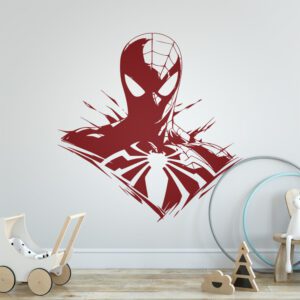
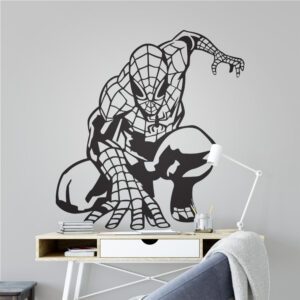
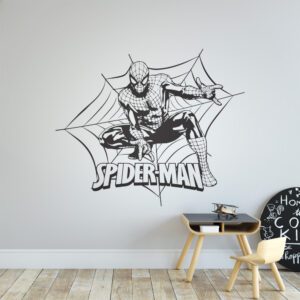
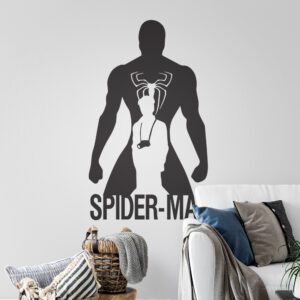

Learning how to personalise a child’s bedroom is about more than choosing a colour scheme. A child’s room is often their sleep space, play space, reading corner, dressing area and little world of their own, so the best personalised bedrooms feel practical, comforting and full of character. Whether you are refreshing a toddler’s room, updating a primary-school bedroom or creating a shared space for siblings, small design choices can make the room feel unmistakably theirs.
The good news is that you do not need a full renovation to make a big difference. Personalised name wall stickers, themed decals, display shelves, bedding, lighting and clever storage can all work together to create a room that feels unique without becoming cluttered or difficult to change later. In this guide, we’ll walk through simple, stylish ideas for personalising a child’s bedroom, with practical tips for choosing wall stickers, colours, zones and finishing touches.
Start With Your Child’s Personality, Not Just a Theme
It is tempting to begin with a big theme such as dinosaurs, football, space, rainbows or animals. Themes can be brilliant, but the most successful children’s rooms usually start with the child’s personality first. Think about what makes them feel happy, calm and confident.
Ask a few simple questions before you buy anything:
- What colours does your child naturally choose?
- Do they prefer calm and cosy spaces or bright, energetic ones?
- What hobbies, animals, stories or activities do they talk about most?
- Do they need more floor space for play, or more storage for books and toys?
- Will the room need to suit them for several years?
If your child changes interests quickly, choose a flexible base: neutral walls, simple furniture and decorative details that can be updated easily. Wall stickers are especially useful here because they can add personality without committing the entire room to one permanent theme. Always check the product information and suitability guidance before applying any sticker, as results can vary depending on paint type, wall condition and surface texture.
Use a Personalised Name Wall Sticker as the Focal Point
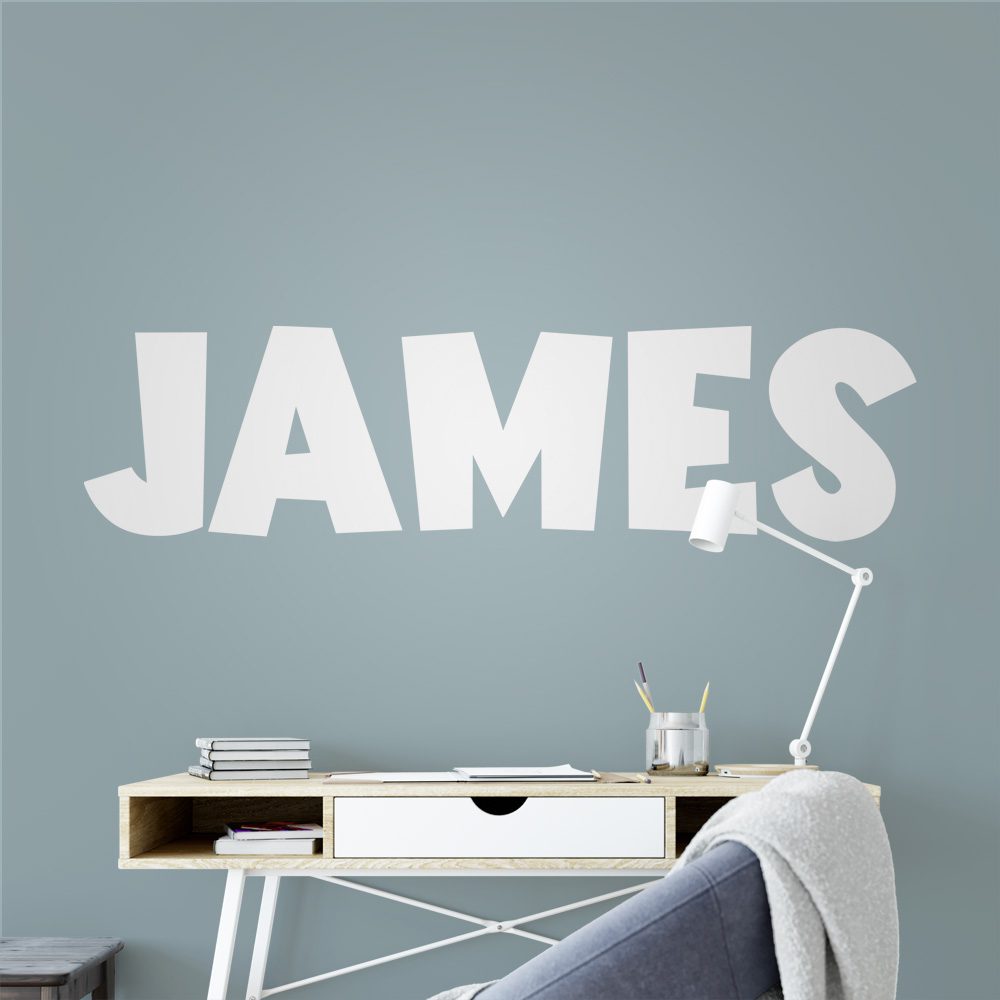
One of the easiest ways to personalise a child’s bedroom is to add their name to the wall. A name design instantly makes the room feel like it belongs to them, and it works beautifully above a bed, cot, reading nook, toy storage area or desk.
Our personalised name wall stickers are a popular choice because they create a made-for-them look without needing framed artwork or heavy wall decor. You can keep the design simple and elegant with just a name, or choose a style that includes stars, hearts, crowns, butterflies, footballs or other decorative details depending on the room’s mood.

For the best result, think about the sticker as part of the overall wall layout. A name wall sticker can look especially effective when it is:
- Centred above a bedhead or cot
- Placed above a reading chair or book ledge
- Used to label a play corner or dressing area
- Paired with matching bedding, cushions or curtains
- Combined with smaller decals such as stars, clouds or hearts
When choosing a size, consider both the wall width and the furniture below it. A design that is too small may get lost, while a design that is too large can make the space feel busy. As a general rule, a personalised sticker should feel connected to the furniture beneath it, not floating awkwardly on a large blank wall.
Choose a Colour Palette That Can Grow With Them
Personalisation does not always mean using lots of bright colours. In fact, a controlled colour palette often makes a child’s bedroom feel more polished and easier to update. A soft neutral wall colour with darker accents, white furniture and one or two favourite colours can create a flexible foundation.
For example, you might choose:
- Soft grey, white and navy for a calm, modern bedroom
- Blush pink, white and charcoal for a gentle but grown-up feel
- Sage green, warm grey and white for a nature-inspired room
- Sky blue, navy and white for a space or cloud theme
- Monochrome with one accent colour for a simple room that works as they grow
Wall stickers can help tie a palette together. A dark navy, black, grey or white decal can echo furniture handles, lamps, bedding details or picture frames. If your child loves a bold colour, consider using it in smaller accessories such as cushions, storage boxes or a throw, while keeping the wall sticker timeless.
Create Zones for Sleeping, Playing and Reading
Children’s bedrooms often need to do several jobs in one compact space. Personalising each zone makes the room easier to use and more enjoyable. You do not need physical dividers; simple visual cues can make each area feel intentional.
Sleeping zone
The bed or cot area should feel calm and comforting. A personalised name decal above the bed, soft lighting, favourite bedding and a small shelf for bedtime books can make this part of the room feel special. Try to avoid making the sleep wall too visually busy if your child is easily overstimulated at night.
Play zone
A play corner can be personalised with themed storage labels, a small rug, toy baskets and wall stickers that match your child’s interests. If they love animals, transport, fairies, football or space, choose a few details rather than covering every surface. You can browse more playful ideas in our kids wall stickers collection.

Reading zone
A reading corner can be as simple as a cushion, a wall shelf and a cosy lamp. Add a quote, stars, clouds or a name decal to make it feel like a little hideaway. This is a lovely option for children who need a quiet space away from toys and screens.
Add Meaning With Quote Wall Stickers
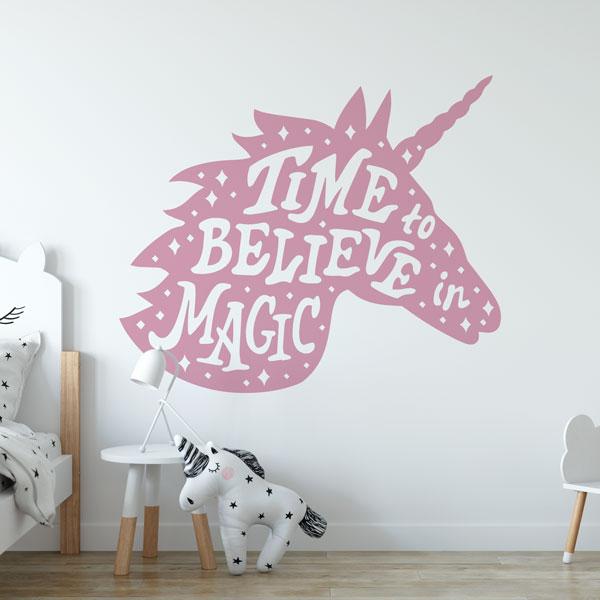
Names are not the only way to personalise a room. A short quote can add warmth, encouragement and personality, especially in a nursery, shared bedroom or reading corner. The key is to choose words that feel personal without making the room look too grown-up or too busy.
Our quote wall stickers can work well above a bookshelf, beside a bed or on a feature wall. For children’s rooms, shorter phrases usually look cleaner and are easier to style. You can also combine a quote with a name sticker if the designs are balanced carefully. For example, a name could sit above the bed while a small quote sits near the reading corner.
If you prefer a more subtle look, choose a quote sticker in a colour close to the room’s existing accents. Dark decals on light walls create a strong focal point, while softer colours can feel calmer and more blended.
Use Storage as Part of the Personalised Design
Storage is one of the biggest challenges in a child’s bedroom, but it can also be part of the design. Personalised storage makes it easier for children to understand where things belong and helps the room feel more organised.
Try these ideas:
- Add named baskets for toys, dressing-up clothes or sports kit
- Use picture labels for younger children who cannot read yet
- Create a display shelf for favourite books, trophies or models
- Choose under-bed storage in colours that match the room
- Keep everyday toys low enough for your child to reach
The goal is not to hide every sign of childhood. A personalised bedroom should show what your child loves. The trick is to give those items a clear place so the room still feels calm and usable.
Make Shared Bedrooms Feel Individual
If two children share a room, personalisation becomes even more useful. Each child can have their own defined area, even if the space is small. A name wall sticker above each bed is a simple way to create a sense of ownership and reduce the feeling that everything is shared.
To keep a shared room cohesive, use matching sticker styles in different names, or choose the same colour for both designs. You can still let each child have personal touches through bedding, cushions, bedside shelves or small accessories. This creates individuality without making the room look mismatched.
For bunk beds, consider where the decal will be most visible and safe to apply. Some layouts work better with stickers on the wall beside each sleeping area rather than directly behind the bunk frame. Always measure first and check that the chosen wall surface is suitable.
Think About Scale Before You Order
Scale makes a huge difference to the finished room. Before ordering a personalised sticker, measure the wall area and think about furniture placement. You can use low-tack masking tape to outline the approximate sticker size on the wall, but avoid sticking anything to delicate or freshly painted surfaces without checking suitability first.
Consider these practical points:
- Leave breathing space around the design so it does not feel cramped
- Check that furniture will not cover important parts of the decal
- Avoid placing stickers too close to corners, shelves or curtain poles
- Make sure the design can be seen from the doorway
- Think about future furniture changes if the room layout may move
If you are decorating above a single bed, a medium-to-large name sticker often works well. For a cot, smaller and softer designs can feel more balanced. For a playroom wall or large blank area, a wider layout with decorative elements may be more effective.
Prepare the Wall and Apply Carefully
A personalised bedroom detail will only look its best if it is applied carefully. Wall stickers generally work best on clean, smooth, dry interior surfaces, but suitability can depend on the finish, paint type, texture and condition of the wall. Freshly painted walls usually need time to cure before applying decals, so always check the product guidance before installation.
Before applying your sticker, plan the position properly. Use a tape measure and a spirit level if needed, and step back to check the placement from different angles. If you are new to decals, follow our step-by-step how to apply a wall sticker guide for a simple method.
Taking your time matters. Rushing the placement is one of the easiest ways to end up with a sticker that feels slightly too high, too low or off-centre. For larger personalised designs, having a second person to help can make positioning easier.
Add Finishing Touches That Tell Their Story
Once the main wall feature is in place, use smaller details to tell your child’s story. These do not need to be expensive. A bedroom feels personal when it includes favourite books, artwork, keepsakes, photos, handmade crafts and little signs of their hobbies.
Finishing touches could include:
- A display ledge for favourite picture books
- A peg rail for dressing-up costumes or bags
- A framed drawing or school certificate
- A small gallery of family photos
- A themed cushion or blanket
- A night light that suits the room’s colours
- A height chart or memory corner
Try not to add every idea at once. Start with one main focal point, such as a personalised name wall sticker, then layer in accessories gradually. This helps the room feel curated rather than crowded.
Common Mistakes to Avoid
When personalising a child’s bedroom, the main mistakes usually come from doing too much too quickly. A room can look exciting on day one but feel overwhelming after a few weeks if every wall, surface and textile has a different pattern.
Avoid these common pitfalls:
- Choosing a theme that is too specific: If your child may grow out of it quickly, keep the big items neutral and use themed stickers or accessories instead.
- Ignoring storage: A beautiful room still needs a practical place for toys, clothes and school items.
- Using too many competing colours: Stick to a simple palette and repeat colours around the room.
- Placing wall stickers too high: Designs usually look better connected to furniture or a room zone.
- Forgetting your child’s input: Even small choices, such as picking between two colours, can help them feel involved.
Frequently Asked Questions
What is the easiest way to personalise a child’s bedroom?
A personalised name wall sticker is one of the simplest starting points because it creates an instant focal point. You can then add matching bedding, storage, lighting and small accessories around it.
Where should I put a name wall sticker in a child’s room?
Popular positions include above the bed, above a cot, over a reading corner or above toy storage. Measure the wall first and choose a spot where the full design will be clearly visible.
Can wall stickers be used in a rented home?
Some renters use wall stickers to add personality, but suitability depends on the wall surface, paint condition and tenancy rules. Always check your agreement and product guidance before applying anything to a rented property wall.
How do I stop a personalised bedroom looking too cluttered?
Choose one main focal point, limit the colour palette and keep storage practical. If you use a bold name sticker, balance it with simpler bedding and accessories.
Should I let my child choose the whole bedroom design?
It helps to involve them, but offering a few parent-approved options usually works best. Let them choose colours, motifs or accessories while you guide practical decisions such as layout, storage and budget.
Create a Bedroom That Feels Truly Theirs
Personalising a child’s bedroom does not have to mean redecorating from top to bottom. Start with your child’s personality, choose a flexible colour palette, create clear zones and add one strong focal point that makes the space feel special. A personalised name wall sticker is a simple, stylish way to give the room identity while keeping the overall design easy to update as your child grows.
Ready to create a bedroom that feels made for them? Explore our personalised name wall stickers and find a design to suit your child’s space.