



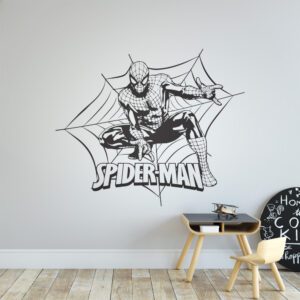


Animal wall sticker ideas for children’s rooms can turn a plain bedroom, nursery or play space into somewhere imaginative without making the room feel overly busy. From woodland animals above a reading corner to a bold safari scene behind the bed, the right design can create a focal point while leaving plenty of flexibility for future updates.
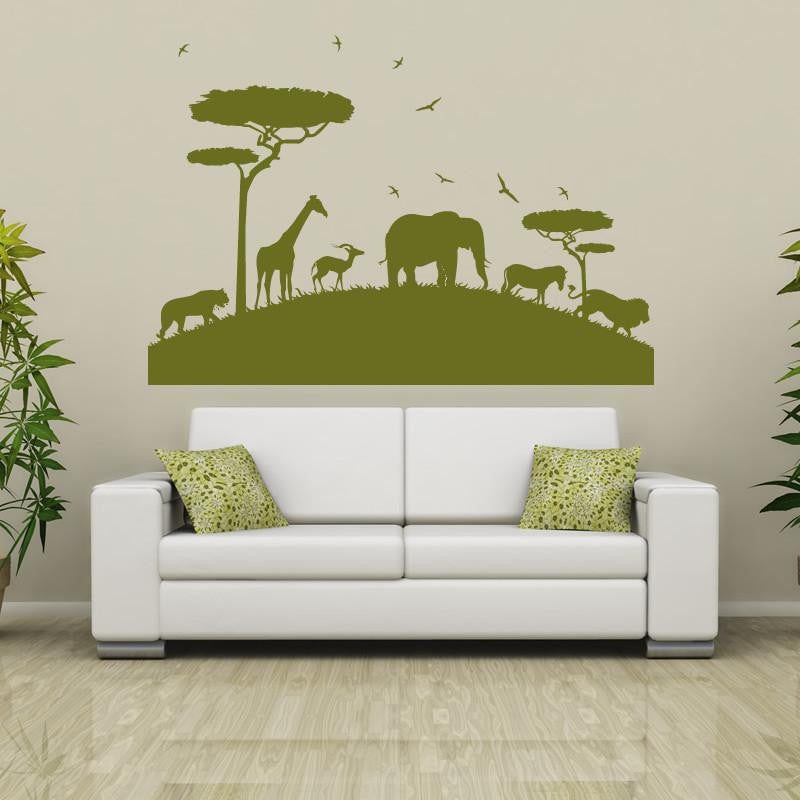
Apex animal decals are cut from one-colour self-adhesive vinyl. Most have no clear, white or printed background, so the finished design sits directly against the wall for a clean, painted-on appearance. The key is to choose an animal theme, scale and position that work with the room rather than treating the sticker as an isolated decoration.
Quick answer: which animal wall sticker idea should you choose?
Choose a theme that reflects the child’s interests but remains easy to coordinate with bedding, storage and other decorations. Woodland animals suit calm reading spaces and neutral bedrooms, safari animals make strong feature walls, farm animals feel playful and familiar, and sea creatures work particularly well with blue, grey or aqua accents.
For a balanced result, use one larger animal composition as the main focal point or arrange a small, coordinated group around a defined area. Avoid scattering unrelated designs across every wall. A single-colour decal already has strong visual impact, especially when the vinyl contrasts clearly with the paint.
- For a nursery: consider gentle animal silhouettes, clouds, stars or a simple woodland scene.
- For a toddler’s room: choose friendly farm, jungle or safari animals placed where they can be seen easily.
- For an older child: look at stronger silhouettes such as dinosaurs, horses, sea life or a favourite wild animal.
- For a shared room: use a broad theme, then define each child’s space with a personalised name wall sticker.
- For a nature-led scheme: combine animal inspiration with trees, leaves or landscape elements from the nature wall stickers collection.
What you need before you start
Before ordering, look at the whole room rather than only the empty wall. The available width, furniture position, wall colour and viewing distance will all influence which design feels right.
A suitable surface
Wall stickers work best on smooth, clean, dry surfaces. Heavily textured walls can prevent the vinyl from making consistent contact, while dust, grease or loose paint may affect adhesion. Freshly painted walls should be allowed to cure fully before a sticker is applied; follow the paint manufacturer’s curing guidance rather than assuming a wall is ready when it feels dry.
Accurate wall measurements
Measure the usable space around beds, shelves, wardrobes, light switches and sockets. Check both width and height, then leave breathing room around the decal. A design that fills every available centimetre can feel cramped, while one that is too small may look lost above a wide bed or chest of drawers.
A clear colour plan
Because a cut-vinyl sticker is one colour, contrast matters. Dark navy, charcoal or black can stand out against pale walls, while white or lighter vinyl may work better on deep painted colours. Repeat the sticker colour in two or three smaller details, such as a lampshade, cushion or storage basket, to make the room feel coordinated.
A simple application plan
Have a soft cloth and low-tack masking tape available for positioning. Larger or more detailed designs are easier to manage with another adult. Read the instructions supplied with the sticker before beginning, particularly where separate design elements need to be arranged.
Step-by-step: plan an animal wall sticker feature
Animal feature wall planning checklist
- Choose the room mood — decide whether the space should feel calm, playful, adventurous or educational.
- Select one animal family — keep the look coherent with a woodland, safari, farm, dinosaur, bird or sea-life theme.
- Measure the usable wall — account for furniture, sockets, shelves and clear space around the design.
- Test the scale — mark the approximate outer dimensions with small pieces of low-tack masking tape and view them from the doorway.
- Check colour contrast — make sure the one-colour vinyl will remain clearly visible against the paint.
- Prepare the surface — ensure the wall is smooth, clean, dry and properly cured before applying the sticker.
- Position before applying — lightly plan the centre and outer edges so the finished composition sits level with nearby furniture.
| Theme | Best location | Overall feel |
|---|---|---|
| Woodland animals | Reading corner or nursery | Gentle and cosy |
| Safari animals | Bed or play-area wall | Bold and adventurous |
| Farm animals | Toddler bedroom | Friendly and playful |
| Sea creatures | Blue or grey feature wall | Calm and imaginative |
| Dinosaurs | Large open wall | Dramatic and energetic |
1. Start with the child’s interests
Ask which animals they enjoy, but translate the answer into a theme that can work across the room. If they name several jungle animals, for example, a coordinated safari scene will usually look more considered than separate stickers in different styles.
Age matters too. Soft silhouettes may suit a baby’s nursery, while a school-age child may prefer a larger dinosaur, horse or ocean design. If tastes change regularly, keep expensive furniture and bedding relatively neutral and let the wall sticker carry the theme.
2. Decide between one statement design and a grouped layout
A single statement animal is useful above a bed, desk or low storage unit. It gives the eye a clear focal point and works well in smaller rooms where numerous decorations could create clutter.
A grouped layout is better for telling a visual story. Woodland animals can gather around a tree silhouette, birds can move across a reading nook, or sea creatures can form a gentle underwater trail. Keep spacing intentional and avoid extending small elements into high-traffic corners where they may be rubbed repeatedly.
3. Match the design to the room zone
Use the sticker to define what happens in part of the room. A sleepy woodland scene can soften the area beside a cot or bed. An energetic dinosaur composition can frame a play zone. Birds, branches or small forest animals can make a reading corner feel separate from the rest of the bedroom.
Position the main part of the design in relation to furniture rather than the full wall. A decal above a chest of drawers should normally be centred over the furniture, not necessarily in the architectural centre of the room.
4. Test the visual size
Use the listed sticker dimensions to create a temporary outline on the wall with a few small pieces of low-tack masking tape. Do not cover the entire area. Stand at the doorway, sit on the bed and view the outline from the main floor space.
Large animal scenes need enough detail to remain legible from across the room. Smaller decals work best near furniture or activity zones where they will be viewed more closely. If choosing between two sizes, consider whether surrounding furniture is visually heavy; a wide bed or wardrobe can overpower a very small sticker.
5. Build a controlled colour scheme
A one-colour animal decal can anchor a room without dictating every other colour. Dark navy works well with white, warm grey, muted blue and soft green. Charcoal can support brighter accents, while black creates a crisp graphic effect.
Keep themed accessories selective. Two or three animal-related details are usually enough. Too many printed curtains, rugs, cushions, toys and pictures competing with the decal can weaken the clean silhouette effect.
6. Prepare and apply carefully
Check the wall for texture, dust, flaking paint and damp patches. Clean it appropriately and allow it to dry. Position the sticker before removing its backing, using light reference marks or low-tack tape where suitable. Apply gradually and smooth the vinyl carefully according to the supplied directions.
Do not rush detailed sections such as tails, branches, legs or whiskers. These narrower shapes need controlled handling. Surface condition and paint quality influence both application and later removal.
Common mistakes to avoid
Choosing a design before measuring
It is easy to fall in love with a detailed animal scene and only later discover that a shelf, socket or bedhead interrupts it. Measure first and compare the full design dimensions with the genuinely usable wall area.
Using too many separate themes
Jungle animals, dinosaurs, farm scenes and space decorations may all appeal individually, but together they can make a small room feel disjointed. Pick one lead theme and use neutral or geometric accessories around it.
Placing the sticker too high
Animal designs should relate to the child’s part of the room. A sticker placed close to the ceiling can feel disconnected from the bed, play mat or reading chair below. Keep the full composition visible while placing it low enough to connect with nearby furniture.
Ignoring wall texture and paint condition
A beautiful design cannot compensate for an unsuitable surface. Rough texture, chalky paint, moisture or peeling areas can affect how the vinyl adheres. Do not apply a sticker simply to hide a wall defect.
Expecting identical removal results on every wall
Removal results depend on wall condition, paint quality and how carefully the sticker is removed. If decorating a rented room or working with a delicate painted surface, consider the wall condition and tenancy requirements before choosing an adhesive decoration.
When to choose a different product or approach
An animal wall sticker may not be the best option if the wall is heavily textured, damp, dusty, newly painted or covered with unstable paint. In those situations, address the surface first or use animal-themed textiles and freestanding accessories instead.
Choose framed prints when you want detailed colours, photographic animals or artwork that can be moved between rooms. Select wallpaper when the intention is to cover an entire wall with a repeated pattern. A one-colour vinyl decal is the stronger choice when you want a clean silhouette, no printed rectangular background and a feature that lets the existing wall colour show through.
If the child wants a broader decorative theme rather than animals alone, explore the kids wall stickers collection. It offers ideas that can suit different ages and interests while retaining the simple cut-vinyl finish.
Find an animal design for the room
Once you know the theme, available wall space and preferred vinyl colour, compare designs based on their overall shape as well as the animal itself. A wide scene may work above a bed, while a taller composition can suit a narrow section beside a wardrobe or reading chair.
Browse the animal wall stickers collection to compare one-colour designs for nurseries, children’s bedrooms and play spaces. Check the listed dimensions and assess the wall surface before ordering.
Frequently Asked Questions
What animal wall stickers work best in a small children’s room?
Choose one clear focal design rather than many scattered stickers. A medium silhouette above a bed, toy unit or reading chair can add character without making the room feel crowded.
Can animal wall stickers be used in a nursery?
They can suit a nursery when applied to a smooth, clean, dry and fully cured wall. Position decorative elements away from places where a child may pick at them, and keep the design visually calm with simple animals, clouds, stars or woodland shapes.
How do I choose a vinyl colour?
Aim for clear contrast with the wall paint. Dark navy, black and charcoal are strong choices for pale walls. On a dark feature wall, a lighter available vinyl colour may be easier to see. Consider how the colour looks in both daylight and evening lighting.
Should an animal decal match the bedding exactly?
No. Coordinating one or two colours usually looks more natural than matching every item. Let the decal establish the theme, then repeat its colour subtly in storage, lighting or soft furnishings.
Can I use a personalised name with an animal theme?
Yes. A name can define a sleeping area or distinguish sides of a shared room. Keep the lettering style and colour consistent with the animal design so the two elements feel connected.
If you are ready to plan a simple children’s room update, explore the Apex animal wall sticker range and choose a design that fits your theme, wall dimensions and surface condition.