


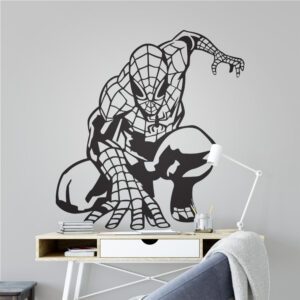
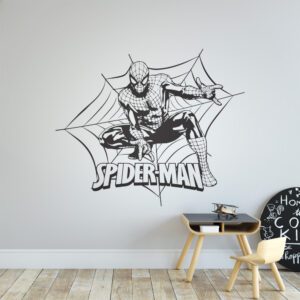


Baby name wall sticker ideas can turn a plain nursery wall into a personal focal point without requiring framed artwork or a complicated decorating project. A personalised vinyl name decal works particularly well above a cot, beside a reading corner or on a nursery feature wall, creating a clean painted-on appearance while making the room feel distinctly your child’s own.
The best choice depends on more than the name itself. Font, colour, size, surrounding motifs and wall position all affect how clearly the design can be seen and how well it fits the nursery. This buying guide explains the main options and trade-offs so you can choose a design that suits both the room and the available wall space.
Quick answer: which baby name wall sticker should you choose?
For most nurseries, choose a personalised name wall sticker in a simple, readable font and a colour that contrasts clearly with the wall. Aim for a width that fills approximately half to two-thirds of the available space above the cot, chest of drawers or reading area, rather than trying to fill the entire wall.
A flowing script style suits soft, traditional and romantic nursery schemes, while a clean sans-serif or gently rounded font works well in modern and Scandinavian-inspired rooms. If the wall already has patterned bedding, shelves or several decorative accessories, a name-only design will usually look more balanced. On a plainer wall, a name combined with stars, clouds, hearts or another small motif can create more visual impact.
Most Apex designs are cut from one-colour self-adhesive vinyl. They generally have no clear, white or printed background, so the individual letters and shapes appear to be painted directly onto the wall once applied.
Key buying factors for a baby name wall sticker
1. Choose a font that stays readable
The font establishes the overall personality of the design. Script lettering can feel delicate and decorative, but highly elaborate lettering may be harder to read from across the room. This is especially relevant for short names, where each letter becomes visually prominent.
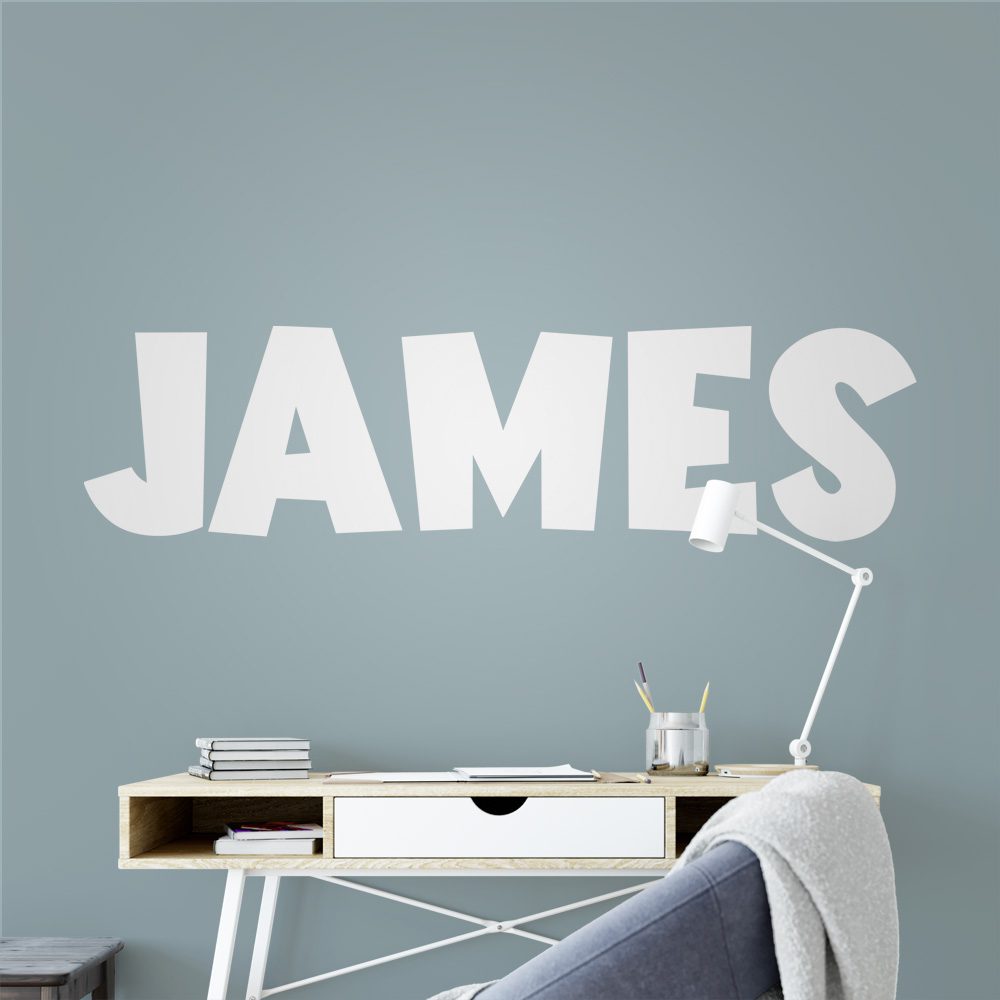
Clean block lettering offers excellent legibility and is easy to coordinate with modern furniture. Rounded lettering feels softer and more playful, making it a versatile option for baby rooms that may later become toddler bedrooms. When comparing styles, consider the complete shape of the name rather than judging the font from a single sample letter.
- Script fonts: best for elegant, classic or softly styled nurseries.
- Rounded fonts: best for friendly, contemporary baby rooms.
- Simple block fonts: best for clear visibility and minimalist décor.
- Decorative fonts: best when the wall and surrounding furnishings are relatively simple.
2. Measure the usable wall area
Measure the space where the sticker will actually sit, excluding shelves, curtain poles, lamps and tall furniture. Use the overall width of the design—not the height of the letters alone—as your main reference. Longer names may naturally appear wider or use slightly smaller-looking letters than short names at the same overall size.
As a practical starting point, a small design can suit a door, reading nook or narrow section beside a wardrobe. A medium design is often appropriate above a changing unit or compact cot. A larger design creates a stronger focal point above a cot bed, chest of drawers or broad feature wall.
You can mark the proposed outer dimensions with small pieces of low-tack masking tape, then step back and view the area from the doorway. Remove the tape after checking. This simple preview helps reveal whether the sticker will feel lost, cramped or appropriately proportioned.
3. Look for clear colour contrast
A wall sticker needs contrast to remain visible in both daylight and softer evening lighting. Dark navy, charcoal or black can stand out crisply on white, pale grey, blush or other light nursery walls. White or pale vinyl may work on a dark feature wall, although subtle colours can disappear if they are too close to the paint shade.
Consider the room as a whole. The sticker colour can echo the cot, drawer handles, curtains or a recurring colour in the bedding. It does not need to match every accessory precisely; repeating one strong accent colour is often enough to make the scheme feel coordinated.
4. Decide between a name-only design and added motifs
A name-only sticker gives the most flexible, uncluttered result. It can remain suitable as the room changes from a nursery into a young child’s bedroom, particularly when paired with a timeless font.
Motifs create a clearer theme. Stars and moons complement celestial nurseries, hearts add a gentle decorative touch, and simple woodland or animal shapes can make the room feel more playful. If you are already using several themed accessories, keep the wall sticker restrained to avoid making the wall look too busy.
5. Check the intended surface
Wall stickers work best on smooth, clean, dry surfaces. Dust, grease, damp, strongly textured paint or unstable paint can affect how the vinyl adheres. Freshly painted walls should be allowed to cure before a sticker is applied; follow the paint manufacturer’s curing guidance rather than assuming that touch-dry paint is ready.
Paint quality and surface condition also influence future removal. Removal results depend on wall condition, paint quality and how carefully the sticker is removed. If you are uncertain about a delicate or unusual finish, test suitability in an inconspicuous area where possible.
6. Think about how the room may change
Nursery themes often evolve quickly. If you expect to change bedding, furniture or colours within a few years, a simple personalised name in a versatile colour may be easier to coordinate than a strongly themed design. Alternatively, choose a name sticker as the permanent visual anchor and update smaller surrounding decals as your child grows.
Best baby name wall sticker ideas by use case
Best for a calm neutral nursery: simple script name
A script name in charcoal, muted grey or dark navy adds personality without disrupting a soft neutral scheme. It works particularly well with natural wood furniture, plain bedding and a limited colour palette. Choose a script with clear letter spacing so the name remains easy to read.
Best for a Scandinavian nursery: clean lettering with minimal shapes
Scandinavian-style rooms favour simple forms, practical layouts and restrained colour. A clean name design accompanied by a few stars, dots or geometric elements fits this approach without dominating the room. Browse the Scandinavian wall stickers collection if you want to coordinate a personalised name with similarly minimal designs.
Best for a small nursery: compact horizontal name
In a small room, avoid filling every available surface. A compact horizontal name above a chest of drawers or on a clear section of wall gives the room a focal point while preserving visual space. Simple lettering usually feels less crowded than a tall or highly decorative arrangement.
Best for a playful nursery: name with stars, hearts or clouds
Small surrounding motifs help a personalised name feel like a complete composition. This is useful on a broad, otherwise empty wall where lettering alone might look isolated. Keep the additional shapes in the same vinyl colour to retain the clean cut-vinyl appearance.
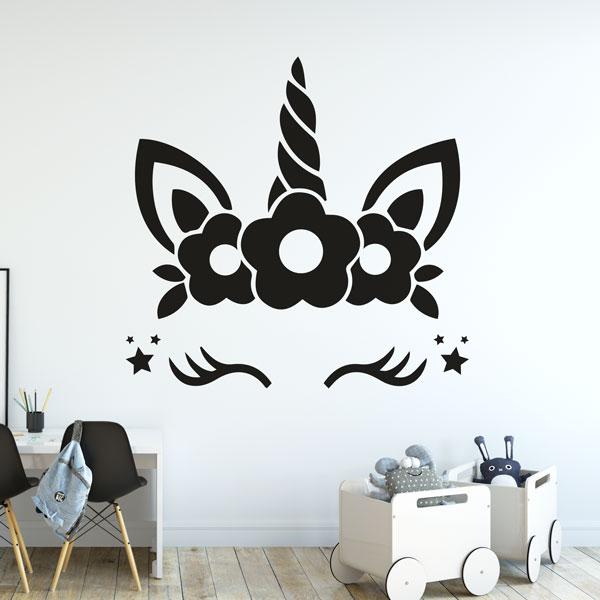
Best for a room that will grow with the child: timeless block lettering
A straightforward block or rounded font can suit a baby room, toddler room and early-years bedroom. Pairing it with removable themed accessories elsewhere in the room gives you more freedom to refresh the décor without replacing the main personalised feature immediately.
Best for a coordinated feature wall: name plus complementary decals
A personalised name can serve as the central element of a larger wall arrangement. Add a restrained selection of coordinating shapes around it, leaving enough empty space for each element to remain distinct. The kids’ wall stickers collection offers ideas for building a broader child-friendly theme around the name.
Best for a shared room: one name for each child
Matching name stickers can define each child’s area without creating two conflicting decorating schemes. Use the same font, colour and approximate visual scale for both names. If one name is substantially longer, compare the overall compositions rather than selecting identical widths automatically.
Comparison and decision guide
Start with the atmosphere you want the nursery to have, then narrow the choice by wall size and existing décor. The table below compares the most useful approaches.
Baby name wall sticker decision table
| If you want… | Choose… | Main trade-off |
|---|---|---|
| A soft, elegant nursery | A flowing script name | Decorative scripts may be less readable at small sizes |
| A modern look | Simple block or rounded lettering | Cleaner but less ornate |
| A strong feature wall | A larger name with small matching motifs | Needs more clear wall space |
| Décor that can grow with the child | A name-only design in a versatile colour | Less obviously themed |
| A small-space accent | A compact horizontal name | Creates less impact from across the room |
| A coordinated shared bedroom | Matching name designs for each child | Different name lengths require careful sizing |
A simple five-step decision process
- Choose the position: decide whether the name will sit above furniture, on a feature wall, beside a reading corner or on another smooth surface.
- Measure the clear space: account for furniture, curtains, shelves and the visual breathing room around the sticker.
- Select the mood: use script lettering for softness, block lettering for clarity or rounded lettering for a playful modern result.
- Check contrast: compare the vinyl colour with the wall in daytime and evening light.
- Reduce clutter: choose either a more decorative name design or several surrounding accessories rather than making every element compete.
Before applying your chosen design, read the quick and easy wall sticker application guide. Preparing the surface and taking time over placement can help produce a neater result.
Explore personalised name wall stickers
If you have measured the wall and decided on a font, colour and overall style, browse the personalised name wall stickers collection. Compare designs against the width of your available wall space and consider how each option will coordinate with the furniture and nursery accessories already in the room.

Frequently Asked Questions
What size baby name wall sticker should I buy?
Choose a size in proportion to the clear wall area rather than the total room size. Above furniture, a design covering roughly half to two-thirds of the usable width often looks balanced. Preview the outer dimensions on the wall before ordering.
Where is the best place for a baby name wall sticker?
Popular positions include the wall above a cot or chest of drawers, beside a reading chair or in the centre of a nursery feature wall. The surface should be smooth, clean and dry, with enough empty space around the complete design.
Can I apply a name sticker to a freshly painted nursery wall?
Fresh paint needs time to cure fully before vinyl is applied. Drying and curing are not the same, so follow the paint manufacturer’s guidance and avoid rushing the decorating process.
Should the name sticker match the nursery furniture?
It does not need to match exactly. A coordinated accent colour often looks more natural than trying to reproduce every furniture shade. Prioritise clear contrast with the wall, then repeat the vinyl colour in one or two smaller room details if desired.
Are name wall stickers suitable for textured walls?
They perform best on smooth surfaces. Texture reduces the contact area between the adhesive vinyl and the wall, which can affect the appearance and adhesion. Surface condition and paint quality should always be considered before applying a sticker.
Ready to create a personal nursery focal point? Explore the personalised baby name wall sticker collection for one-colour self-adhesive designs suited to smooth, clean and dry walls.