
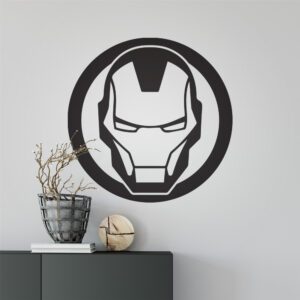
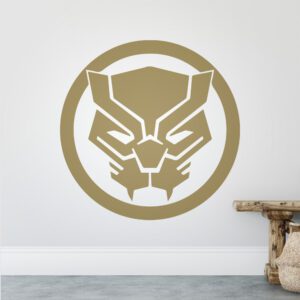
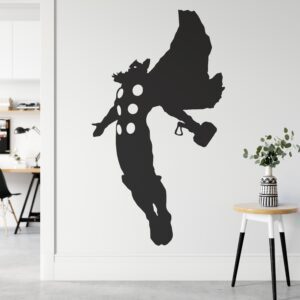

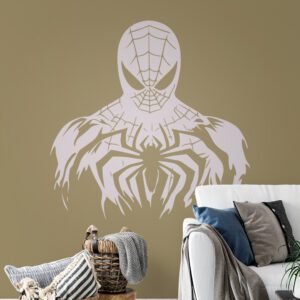
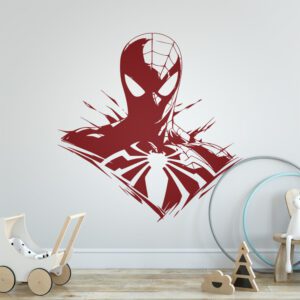
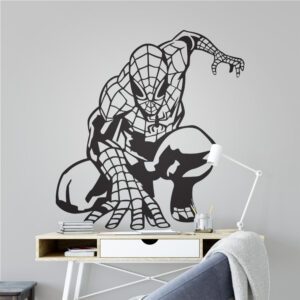
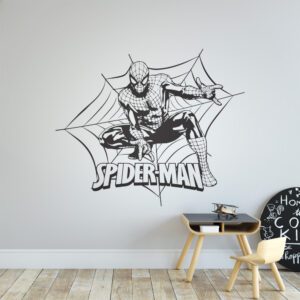
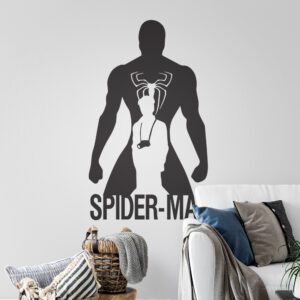

Kids bedroom wall sticker ideas can turn a plain room into a space that feels personal, playful and more complete without covering every wall. From personalised names and dinosaurs to unicorns, stars and superhero-inspired silhouettes, the best design is one that suits the child’s interests, the available wall space and the room’s existing colours.
Because Apex wall stickers are cut from one-colour self-adhesive vinyl, most have no clear, white or printed background. Once applied, the separate shapes create a clean, painted-on appearance. This makes them useful for adding a clear theme while keeping the bedroom relatively simple and easy to coordinate.
Quick answer: which wall sticker idea should you choose?
For a versatile bedroom update, choose one main wall sticker that reflects an interest your child is likely to enjoy for more than a few weeks. Position it above a bed, desk, toy-storage unit or reading corner, where it can act as a focal point without competing with shelves, curtains and other decorations.
These are some dependable starting points:
- For a personal room: use a name sticker above the bed or near the bedroom door.
- For younger animal fans: try a dinosaur, woodland animal or friendly creature silhouette.
- For imaginative rooms: consider unicorns, stars, moons, clouds or magical shapes.
- For energetic older children: choose superhero-inspired skylines, action shapes or bold graphic designs.
- For a room shared by siblings: give each child a separate name or themed area rather than covering one large feature wall.
- For a calm, flexible scheme: use smaller stars, geometric shapes or a simple central silhouette in a colour that echoes the bedding.
You can explore the full range of kids wall stickers to compare themes before deciding which idea suits the room.
What you need before you start
A little planning helps the finished design look intentional rather than squeezed into the nearest empty space. Before choosing a wall sticker, check the wall, measure the usable area and consider how the bedroom may change over the next year or two.
A suitable surface
Wall stickers work best on smooth, clean, dry surfaces. Dust, grease, flaking paint and pronounced texture can make it harder for the vinyl to make consistent contact. Freshly painted walls should be allowed to cure before stickers are applied; follow the paint manufacturer’s stated curing guidance rather than assuming that touch-dry paint is ready.
Accurate wall measurements
Measure the clear width and height of the intended area. Do not treat the full wall as usable if furniture, curtain poles, shelves, sockets or sloping ceilings interrupt it. Mark the approximate outer edges lightly with removable paper markers so you can judge the scale from the doorway.
A simple colour plan
A one-colour sticker often looks strongest when it contrasts with the wall while connecting to another item in the room. Dark navy, charcoal or black can work well on pale walls, while white may suit a dark painted feature wall. Repeating the sticker colour in cushions, storage boxes or a lampshade can help tie everything together.
An idea suited to the child’s age and interests
Ask the child which broad themes they enjoy, but narrow the choice to designs that suit the available space. A toddler may love friendly dinosaurs or clouds, while an older child may prefer a bold name, gaming-inspired geometric shapes or a subtle superhero theme.
| Bedroom goal | Wall sticker idea | Trade-off to consider |
|---|---|---|
| Create a focal point | One large central design | Needs a generous, uninterrupted wall area |
| Make the room personal | Name or initials | Less suitable if siblings regularly swap rooms |
| Decorate an awkward wall | Small stars or scattered shapes | Spacing needs careful planning |
| Build a strong theme | Dinosaurs, unicorns or superheroes | A very specific interest may change over time |
| Keep the scheme flexible | Clouds, moons or geometric forms | May feel less characterful than a favourite theme |
Step-by-step: planning a kids bedroom wall sticker
The following process works whether you are decorating a nursery corner, updating a primary-school child’s room or giving an older child’s bedroom a more individual look.
Kids bedroom wall sticker planning checklist
- Choose the room mood — decide whether the space should feel calm, playful, adventurous or bold.
- Pick one main theme — select a name, animal, magical, space or action-inspired idea.
- Measure the usable wall — account for furniture, shelves, sockets and sloping ceilings.
- Check the surface — make sure it is smooth, clean, dry and properly cured after painting.
- Test the scale — mark the approximate sticker outline and view it from across the room.
- Plan the position — centre the design on the furniture or activity zone beneath it.
- Apply carefully — follow the supplied directions and smooth the vinyl progressively onto the wall.
1. Decide how you want the room to feel
Begin with the mood rather than a specific character or trend. Soft celestial shapes can create a restful bedtime atmosphere. Dinosaurs and bold silhouettes feel more adventurous, while names and simple geometric designs can make the room feel organised and personal.
Keeping to one main mood also prevents the bedroom from becoming visually busy. If the bedding already features a strong pattern, a clean silhouette may work better than several scattered decals.
2. Choose a theme with some staying power
A child’s current favourite interest is a useful guide, but consider whether a broader interpretation will last longer. For example, a general prehistoric room can combine a design from the dinosaur wall stickers collection with earthy green, rust or navy accessories. The accessories can change later while the main silhouette still makes sense.

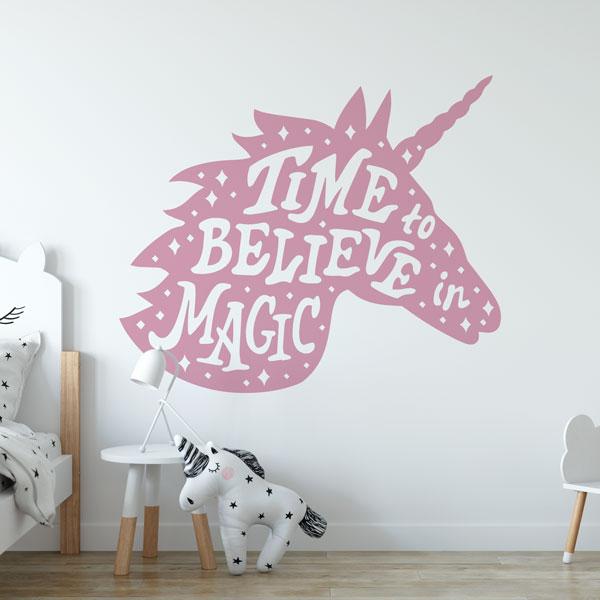
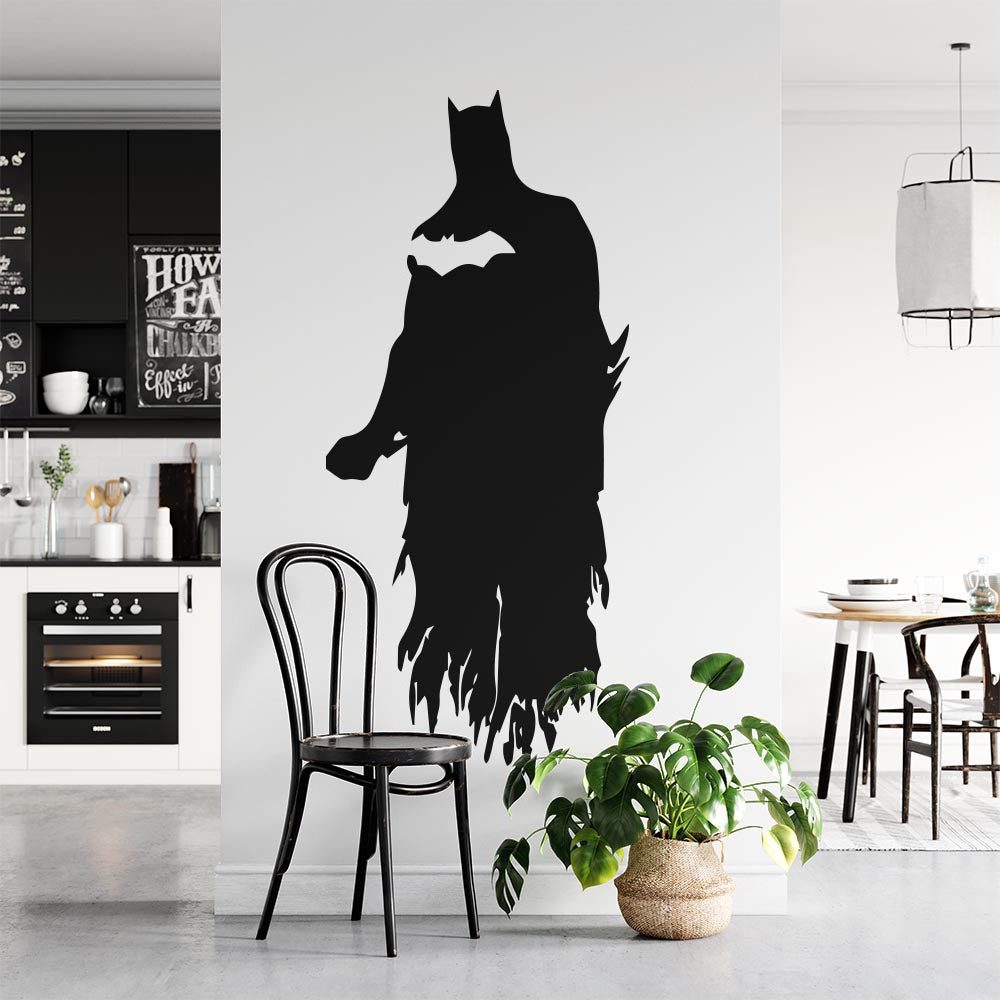
For a magical bedroom, browse unicorn wall stickers and pair one focal design with restrained star or moon accessories. If your child prefers action themes, superhero wall stickers can introduce bold shapes without requiring every item in the room to match.
3. Select the best bedroom zone
Think of the sticker as a visual anchor. Above the bed is an obvious choice, but it is not the only one. A design above a low bookcase can define a reading area, while a sticker near a desk can give a homework corner more character. Smaller designs can also enliven the narrow wall beside a wardrobe or the space above toy storage.
Keep the sticker away from areas where chair backs, toy boxes or frequently moved furniture will rub against it. Also check that curtains will not hide part of the design when open.
4. Match the scale to the furniture
A sticker can look surprisingly small when placed on a wide wall. As a practical visual guide, a design above a bed or chest of drawers often looks balanced when it fills a noticeable proportion of the furniture width without extending beyond it. Exact proportions depend on the sticker shape and the clear wall area.
Use paper rectangles or low-tack paper markers to indicate the overall dimensions. Step back to the bedroom doorway and look at the outline from normal viewing height. This is more reliable than judging the size while standing close to the wall.
5. Coordinate colour without matching everything
The sticker does not need to match every textile precisely. Instead, choose a vinyl colour that creates enough contrast against the paint and appears elsewhere once or twice in the room. A dark navy sticker on a soft grey wall might connect to navy bedding, while a white decal on a deep blue wall could echo white furniture.
Very low-contrast combinations can look subtle, but fine details may disappear from across the room. Stronger contrast is usually preferable for detailed names, stars and silhouettes.
6. Add personal details carefully
A personalised design can make a child’s bedroom feel distinctly theirs. Personalised name wall stickers work particularly well above beds, reading corners and separate storage areas in shared rooms.
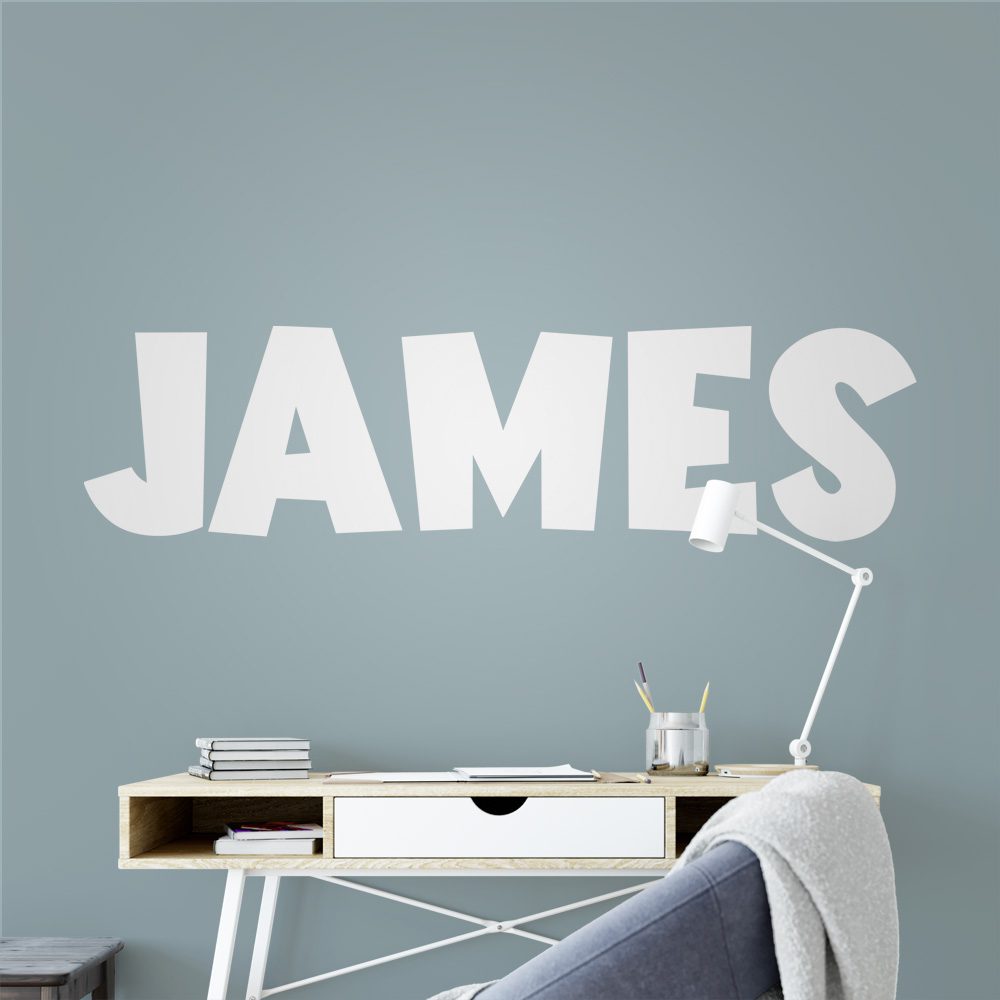
Before ordering, check spelling, capitalisation and the available wall width. Longer names may create a wider overall design than short names, so base your choice on the stated product dimensions rather than a room mock-up alone.
7. Prepare and apply the sticker
Dust the wall and make sure it is completely dry. Position the design according to its supplied directions, checking alignment before committing the full sticker to the surface. Work steadily and smooth the vinyl as directed rather than rushing large sections.
Cut-vinyl wall stickers have no printed rectangular background in most designs. After application, the wall remains visible around and through the cut elements, which produces the clean painted-on effect.
Common mistakes to avoid
Choosing a sticker before measuring
A design that looks balanced in a product image may be too large for a narrow alcove or too small for a long wall. Always compare the listed dimensions with the genuinely usable area.
Applying to fresh or unsuitable paint
Paint can feel dry before it has fully cured. Applying vinyl too soon may affect adhesion or the painted surface. Rough texture, damp areas, chalky paint and flaking finishes are also poor candidates for wall stickers.
Using too many competing themes
Dinosaurs, unicorns, space shapes and superheroes can each produce a fun room, but combining all of them may make the scheme feel confused. Select one lead theme and use plain accessories or simple shapes around it.
Positioning the design too high
A sticker placed close to the ceiling can feel disconnected from the bed, desk or storage below. Relate its position to the furniture and the child’s eye level while still keeping it away from regular contact.
Assuming every removal will have the same result
Do not treat a wall sticker as risk-free on every painted surface. Removal results depend on wall condition, paint quality and how carefully the sticker is removed.
When to choose a different product or approach
Wall stickers are a practical decorative option, but they are not suitable for every room or every design goal. Consider another approach in the following situations:
- The wall is heavily textured: framed artwork, freestanding decorations or fabric accessories may be more dependable than vinyl on a pronounced surface.
- The paint is unstable: flaking, powdery or poorly bonded paint should be addressed before applying decorative vinyl.
- You want a fully illustrated multicolour scene: one-colour cut vinyl creates graphic silhouettes rather than a printed mural effect.
- The wall was painted recently: wait until the paint has fully cured before considering a sticker.
- The area receives frequent rubbing or impact: a higher position or a different decorative item may be better beside busy play zones.
- The child changes interests very frequently: choose neutral stars, geometric shapes or a personalised name rather than a highly specific theme.
If the wall is suitable but the room lacks a large clear area, consider using one compact design to define a reading corner, desk or storage zone instead of trying to create a full feature wall.
Find a wall sticker for your child’s room
The most effective ideas balance personality with practical details: a suitable surface, a sensible scale, clear contrast and a position that works with the furniture. If you are planning a quick bedroom update, browse the Apex kids wall stickers collection for one-colour self-adhesive designs suited to smooth, clean, dry walls.
Frequently Asked Questions
Where is the best place to put a wall sticker in a child’s bedroom?
Popular positions include above the bed, over a chest of drawers, beside a reading corner or behind a desk. Choose a smooth, uninterrupted area where furniture and curtains will not rub against or cover the design.
How do I choose the right wall sticker size?
Measure the clear wall area, then mark the sticker’s approximate outer dimensions with removable paper markers. View the outline from the doorway and compare it with the width of the furniture below.
Can wall stickers be applied to freshly painted walls?
Fresh paint should be allowed to cure before a sticker is applied. Check the paint manufacturer’s guidance, as curing time varies by paint type and room conditions.
Are kids wall stickers supplied with a background?
Most Apex designs are cut from one-colour vinyl and have no clear, white or printed background. The wall shows around the vinyl elements, helping the finished design look painted on.
Are wall stickers suitable for textured walls?
They work best on smooth, clean, dry surfaces. Pronounced texture reduces the contact area available to the adhesive, so a framed picture or freestanding decoration may be a better choice.
Ready to plan the room? Compare themes, colours and sizes in the Apex kids wall stickers collection.