



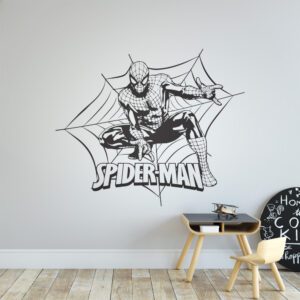


If you are wondering how long do wall stickers last, the reassuring answer is that a good-quality self-adhesive vinyl wall sticker can stay looking smart for a long time when it is applied to the right surface and looked after sensibly. The exact lifespan depends on the wall, paint, room conditions and how carefully the sticker is applied, but for many indoor rooms, wall stickers are a practical medium-term to long-term way to refresh a space without choosing wallpaper or repainting.
This guide explains what affects wall sticker lifespan, what to check before you buy, how to help your sticker last longer, and when a different product or approach may be better. If you are still comparing styles, our wall sticker buying guide is a useful starting point, and you can browse our wall stickers collection when you are ready to choose a design.
Quick Answer: How Long Do Wall Stickers Last?
On a smooth, clean, dry indoor wall with sound paint, a self-adhesive vinyl wall sticker can often last for several years. Some may last longer in low-traffic rooms with stable conditions, while stickers on textured walls, dusty surfaces, damp rooms or poor-quality paint may lift sooner.
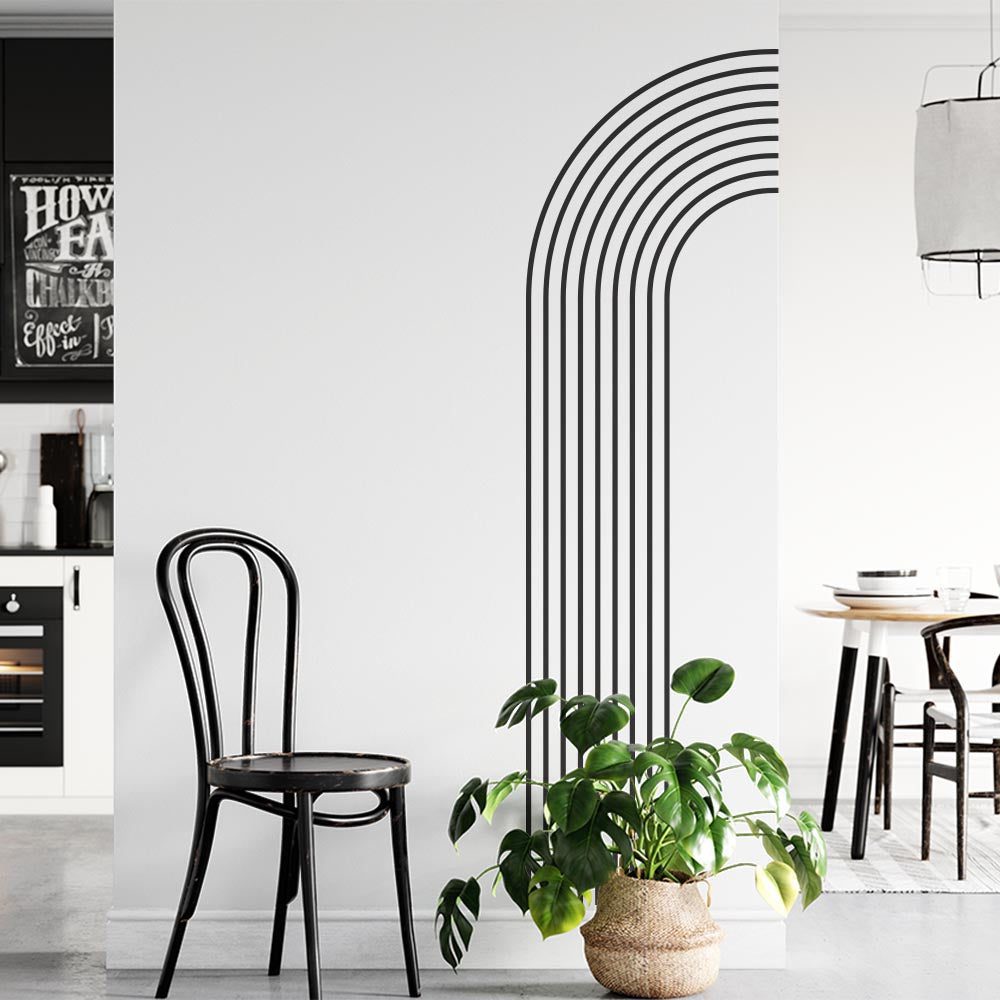
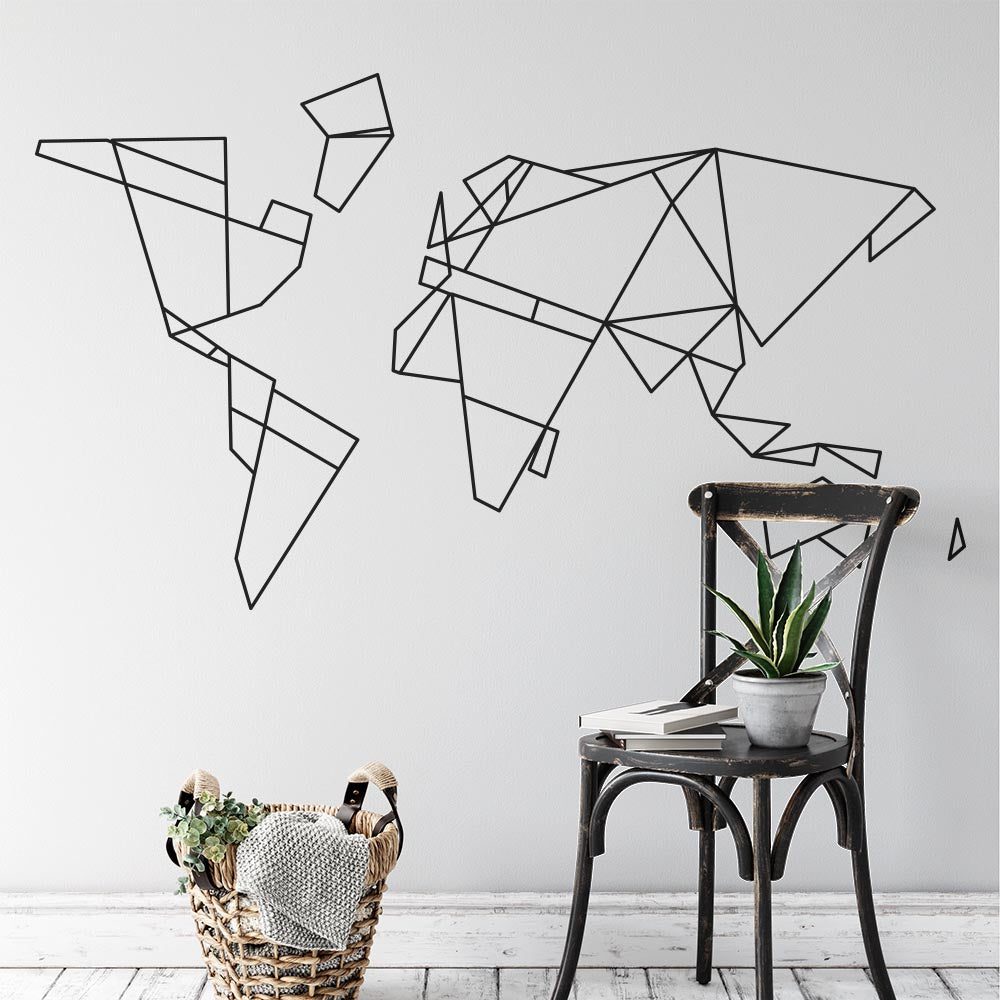
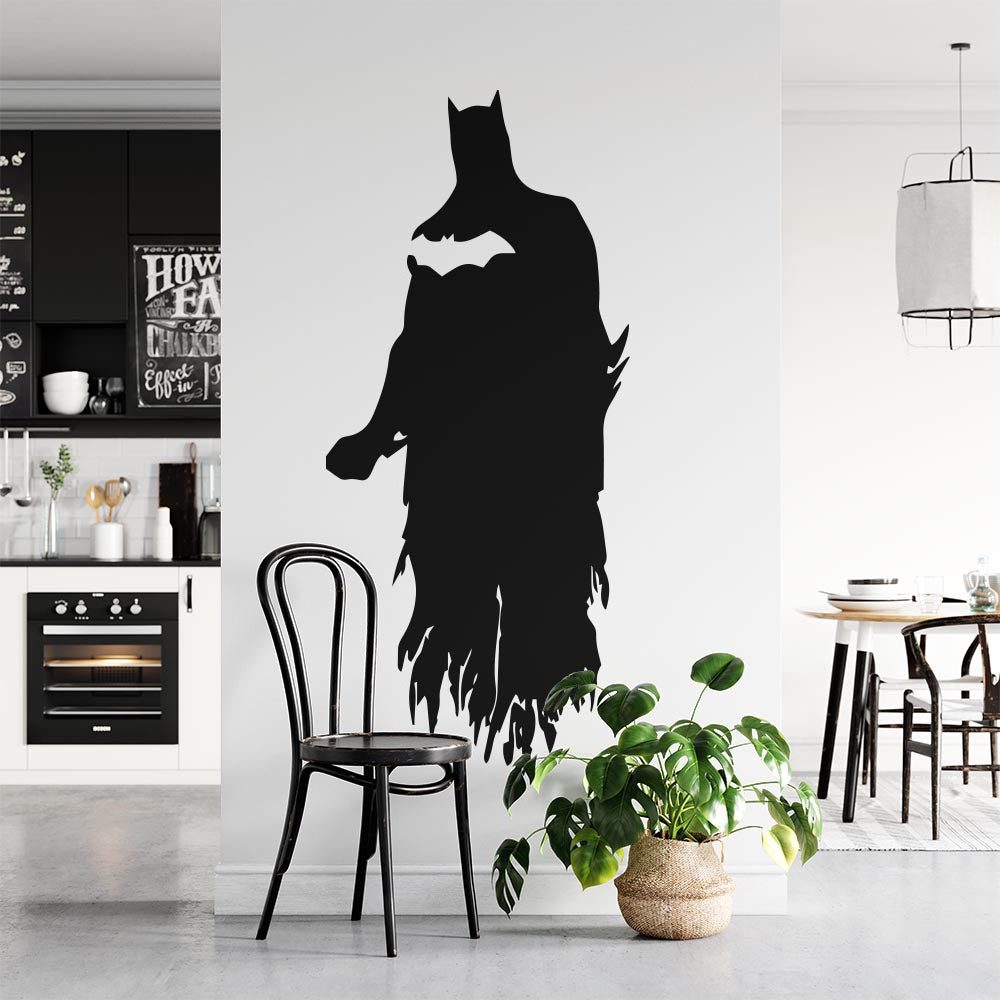
At Apex, our wall stickers are cut from one-colour vinyl. Most have no clear, white or printed background, so once applied they create a clean, painted-on look rather than a poster or transfer with a visible border. That finish works best when the vinyl can bond evenly to the wall surface.
| Situation | Likely result | What to check |
|---|---|---|
| Smooth, clean, dry painted wall | Best chance of a long-lasting finish | Paint is fully cured and not dusty or flaky |
| Freshly painted wall | May fail if applied too soon | Allow paint to cure before applying |
| Textured or uneven wall | Edges may not bond evenly | Texture depth and surface contact |
| Damp or humid room | Adhesion may reduce over time | Ventilation, condensation and surface dryness |
| Poor-quality or loose paint | Sticker may lift or affect paint on removal | Paint strength and wall preparation |
What You Need to Know Before You Start
Wall sticker lifespan is not only about the sticker itself. The surface underneath is just as important. A vinyl decal needs consistent contact with the wall. If the wall is dusty, greasy, damp, heavily textured or newly painted, the adhesive may not bond properly.
1. Surface Smoothness Matters
Wall stickers work best on smooth, clean, dry surfaces. A flat painted plaster wall is usually a better match than rough plaster, brick, heavily textured wallpaper or a wall with raised paint effects. The more texture there is, the less contact the vinyl has with the surface, which can lead to lifting edges.
2. Paint Needs Time to Cure
Fresh paint can feel dry to the touch before it has fully cured. Applying a sticker too soon can affect both adhesion and future removal. If you have recently painted the room, allow the paint to cure before applying stickers. Paint type, room temperature and ventilation can all affect curing time.
3. Room Conditions Make a Difference
Bedrooms, living rooms, nurseries, playrooms and home offices are usually suitable spaces because they tend to have stable indoor conditions. Bathrooms, utility rooms and kitchens can be more challenging because of steam, condensation, grease and temperature changes.
4. The Design and Size Can Affect Longevity
Large solid shapes have more adhesive contact, while very fine lettering, delicate flourishes or tiny details may need more careful application. That does not mean detailed designs are a bad choice, but they do reward patience when applying and smoothing.
What Helps Wall Stickers Last Longer?
The best way to improve wall sticker lifespan is to choose the right wall, prepare it properly and apply the decal carefully. A few minutes of preparation can make a significant difference.
Long-lasting wall sticker checklist
- Choose the right wall — pick a smooth, clean, dry painted surface with no flaking paint or damp patches.
- Let fresh paint cure — avoid applying stickers to newly painted walls until the paint has had time to cure properly.
- Clean gently — remove dust and surface residue, then allow the wall to dry fully before applying.
- Plan the position — check spacing, height and alignment before peeling the backing paper.
- Apply slowly — press from the centre outward and smooth carefully to help the vinyl bond evenly.
- Avoid constant touching — place stickers away from areas where they will be rubbed, knocked or picked at regularly.
Step-by-Step Instructions for a Longer-Lasting Finish
Step 1: Choose a Suitable Room
Start by thinking about where the sticker will live. A bedroom feature wall, nursery wall, office corner, hallway or living room wall is usually a sensible choice. Try to avoid areas directly above radiators, next to persistent condensation, or where furniture will scrape against the sticker.
Step 2: Check the Wall Surface
Run your hand lightly over the wall. If it feels dusty, chalky, rough, damp or flaky, the sticker may not last as well. If the paint comes away easily, that is a sign the surface is not strong enough for a reliable application.
Step 3: Clean and Dry the Wall
Dust, grease and cleaning residue can all reduce adhesion. Wipe the surface gently and allow it to dry completely. Avoid applying the sticker while the wall is cold, damp or recently cleaned with products that may leave residue behind.
Step 4: Plan Before You Peel
Hold the sticker in position and check the layout before committing. This is especially useful for quote stickers, children’s wall decals, large feature designs and decals placed above furniture. Planning reduces the need to reposition the vinyl, which can weaken adhesion.
Step 5: Apply with Patience
Take your time and smooth the sticker onto the wall gradually. Press from the centre outwards and work carefully around fine details. If you are new to wall decals, follow our quick and easy wall sticker application guide before you start.
Step 6: Leave It Alone After Applying
Once the sticker is on the wall, avoid lifting corners to check adhesion. Give the vinyl time to settle and keep the area free from knocks, rubbing and repeated touching.
Common Mistakes That Can Shorten Wall Sticker Lifespan
Most problems come from surface mismatch or rushing the application. Here are the common issues to avoid.
- Applying to fresh paint too soon: paint can feel dry before it is ready for stickers.
- Using a textured wall: uneven surfaces reduce adhesive contact and can cause lifting.
- Skipping cleaning: dust, grease and residue can stop the vinyl bonding properly.
- Choosing a damp area: condensation and humidity can affect adhesion over time.
- Repositioning repeatedly: peeling and reapplying can weaken the adhesive.
- Placing stickers where they are rubbed: high-contact areas, chair backs and door edges can wear sooner.
How Wall Stickers Age Over Time
A well-applied wall sticker should remain flat and crisp for a long period, but it is normal for any adhesive product to age gradually. Over time, you may notice small changes such as slight edge lifting in high-contact areas, reduced adhesion in humid rooms, or more visible wear if the sticker is frequently touched.
Because Apex wall stickers are cut from one-colour vinyl rather than printed with a multi-colour image, there is no printed picture layer that needs to match a background. This helps create a simple, clean finish on the wall. However, the bond still depends on the wall condition, paint quality and room environment.
Will Wall Stickers Last in Kids’ Rooms and Nurseries?
Yes, children’s rooms and nurseries are often a good match for wall stickers, provided the surface is suitable. They are popular because they can create a themed look without repainting the whole room. Stars, animals, names, shapes and feature decals can make a room feel more personal while keeping the wall finish simple.
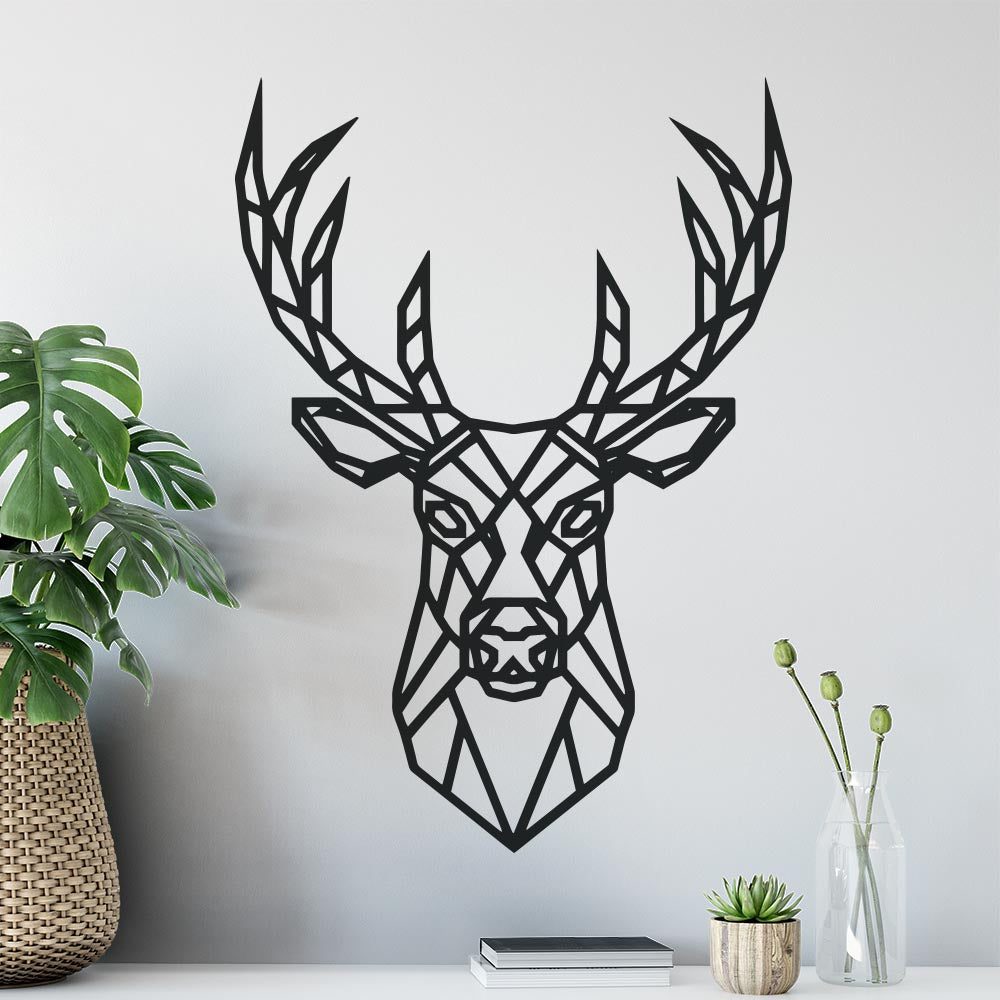
The main thing to consider is contact. A sticker placed above a cot, bed, reading corner or toy storage area may last well if it is not constantly picked at or rubbed. For younger children, avoid placing delicate details within easy reach if you want the design to stay neat for longer.
Will Wall Stickers Last in Rented Homes?
Wall stickers can be a practical option for rented homes, especially where you want a room update without painting. However, renters should be cautious. Surface condition and paint quality vary widely between properties, and removal outcomes cannot be guaranteed.
If you rent, choose a smooth, sound wall, avoid old or flaky paint, and check your tenancy terms before decorating. When it is time to remove a sticker, work slowly and carefully. Removal results depend on wall condition, paint quality and how carefully the sticker is removed.
When to Choose a Different Product or Approach
Wall stickers are versatile, but they are not the right answer for every surface or project. Choose a different approach if the wall or room conditions are likely to work against the adhesive.
| Choose wall stickers if… | Consider another approach if… |
|---|---|
| You have a smooth, clean, dry painted wall | The wall is rough, crumbly, damp or heavily textured |
| You want a crisp one-colour painted-on look | You want a full-colour photographic image or mural |
| You want a simple room refresh without repainting | You need a permanent architectural finish |
| You can apply the sticker carefully and avoid heavy rubbing | The area will be knocked, scraped or handled every day |
If your wall is unsuitable, you may get a better result by painting a feature wall, using framed prints, choosing freestanding decor, or applying decals to a smoother alternative surface such as a suitable door, panel or furniture side. Always consider the finish of the surface first.
Delivery Timing and Planning Your Room Update
If you are coordinating a room makeover, plan the timing carefully. Paint curing, furniture placement and delivery dates all affect when you should apply your sticker. It is usually better to paint first, allow the room to settle, then apply the decal once the surface is ready. You can check current dispatch and postage details on our delivery information page.
Frequently Asked Questions
Do wall stickers last longer on some paints than others?
Yes. Strong, smooth, well-cured paint usually gives better results than chalky, flaky, dusty or low-quality paint. Paint condition is one of the biggest factors in how long a wall sticker lasts.
Can I apply a wall sticker to a freshly painted wall?
It is best to wait until fresh paint has cured before applying a wall sticker. Paint can feel touch-dry before it is ready for adhesive vinyl, so rushing this stage can reduce adhesion.
Can wall stickers be moved and reused?
Wall stickers are designed to be applied to a chosen position. Once removed, the adhesive may not perform the same way again, especially with fine details or larger decals. For the best finish, plan the position before applying.
Will a wall sticker damage my paint when removed?
No responsible seller can guarantee every removal outcome because walls and paints vary. Removal results depend on wall condition, paint quality and how carefully the sticker is removed.
Are wall stickers suitable for bathrooms or kitchens?
They may not be the best choice for steamy, greasy or damp areas. Smooth, dry, well-ventilated spaces are more suitable. If a kitchen or bathroom wall regularly gets condensation, adhesion may be affected.
Final Thoughts
So, how long do wall stickers last? In the right indoor conditions, they can remain attractive for several years, but the wall surface and room environment matter just as much as the sticker. Choose a smooth, clean, dry wall, let fresh paint cure, apply carefully and avoid high-contact areas for the best chance of a long-lasting result.
If you are planning a quick room update, browse our wall stickers collection for simple self-adhesive designs that work best on smooth, clean, dry walls.